


You need both vitamins C and D — it isn't a competition. Most people are low in one or the other, so it's a good idea to supplement with these compounds. Luckily, they're fairly inexpensive and easy to get at your local pharmacy or online store.
Let's break down what each one actually does, where they come from, and why you shouldn't be sleeping on either.
What is Vitamin C?
Vitamin C (ascorbic acid) is probably one of the most famous vitamins out there. It's the one your mom told you to take when you were feeling like you're getting sick, and, honestly, she wasn't wrong, as vitamin C does play an important role in immune support.

The reason getting enough vitamin C through your diet or supplementation is so important is that the body doesn't produce it on its own. And when you eat foods rich in vitamin C or take supplements, your body doesn't store it for long because it's water-soluble, so your body needs a steady daily intake to keep your levels healthy.
Besides supporting your immune system, vitamin C has a lot of roles:
-
Acts as a powerful antioxidant, protecting cells from damage caused by free radicals
-
Plays a key role in making collagen, which keeps your skin, joints, and blood vessels strong
-
Helps your body absorb iron from plant-based foods
-
Speeds up wound healing
The recommended daily amount (RDA) for most adults is 65–90 mg per day. Many health experts recommend aiming for 200 mg or more daily for optimal health benefits [1,2]. The upper safe limit sits at around 2,000 mg per day, and anything beyond that, you're increasing your chances of digestive discomfort.
Getting enough vitamin C is pretty easy if you eat plenty of fruits and vegetables. Think citrus, bell peppers, broccoli, strawberries, and kiwi. Bell peppers are actually one of the richest sources out there — even higher in vitamin C than oranges.
What Is Vitamin D?
Vitamin D is nick-named the "sunshine vitamin" because the body actually produces it when your skin is exposed to UV-B rays from the sun.

But the problem is that most of us aren't getting nearly enough sun exposure to maintain healthy vitamin D levels. For instance, if you live somewhere cloudy, cold, or spend most of your day indoors, your vitamin D levels are probably lower than you think. Some estimates suggest that over 40% of adults in the United States are vitamin D deficient [3].
Unlike vitamin C, vitamin D is fat-soluble. That means your body stores it in fat tissue and the liver. This is both a good thing (you don't need to replenish it every single day) and something to be aware of (it's possible to build up too much if you're supplementing in very high doses over a long period).
Here's what vitamin D does in your body:
-
Regulates calcium and phosphorus absorption, which keeps your bones and teeth strong
-
Supports immune function and helps regulate the body's inflammatory response
-
Plays an important role in muscle function and strength
-
Supports mood regulation — low vitamin D levels are strongly linked to depression and seasonal affective disorder (SAD)
The RDA for most adults is 600–800 IU per day, but many doctors recommend 1,000–4,000 IU for people who are deficient [4]. The upper safe limit is 4,000 IU per day, though short-term higher doses are sometimes used under medical supervision [5].
A fun fact about vitamin D is that, technically, it's more than a vitamin — it acts more like a hormone in your body. It has receptors in almost every tissue type, which tells you just how widespread its effects really are.
Vitamin C vs Vitamin D: Key Differences
Now let's get into the real comparison. Because while both vitamins support your health in big ways, they work through completely different mechanisms.
Immune Function
Both vitamins support your immune system — but in different ways.
Vitamin C tends to work on the front line of the immune system defense. It boosts the function of white blood cells (such as neutrophils and lymphocytes), which actively fight bacteria and viruses. It also acts as an antioxidant within those immune cells, protecting them from oxidative stress-induced damage during an infection.
Research shows that vitamin C can help reduce the duration and severity of a cold, though it won't necessarily stop you from catching one in the first place [6].
During periods of high physical or mental stress, your vitamin C levels can drop quickly — which is why people often get sick after an intense period at work or right after a big race.
If vitamin C is a foot soldier, then vitamin D is a commander. Rather than directly dealing with pathogens, it regulates the whole immune system response — telling the body when to ramp up the attack, and when to dial it back down. This is important because an overactive immune response (chronic inflammation) can actually cause more damage than the original infection.
Studies have consistently linked low vitamin D levels to a higher risk of respiratory infections, including colds, flu, and more serious respiratory illnesses [7]. Maintaining adequate vitamin D levels year-round seems to reduce how often you get sick in the first place.
Sources & Absorption
This is where things get pretty different between the two.
Vitamin C comes almost entirely from food — specifically, fruits and vegetables. Great sources include citrus fruits, bell peppers, kiwi, strawberries, broccoli, and leafy greens. However, cooking can destroy a significant portion of vitamin C, so eating these foods raw or lightly cooked preserves more of it.
Supplements are also widely available and affordable, and come in several different forms with varying absorption rates and tolerability.
Vitamin D is trickier. The best source is direct sunlight — specifically, UV-B radiation hitting bare skin, triggering the conversion of 7-dehydrocholesterol into vitamin D3. About 10–30 minutes of midday sun exposure on the arms and legs is enough for many lighter-skinned people. Those with darker skin need significantly more time because melanin slows the process.
Food sources of vitamin D are limited. Fatty fish (salmon, mackerel, sardines), egg yolks, beef liver, and fortified foods like milk and some cereals contain some. But getting enough vitamin D from food alone is genuinely difficult (especially if you're on a plant-based diet), which is why supplementation is recommended for most people.
In terms of absorption, vitamin C is well absorbed at any time, with or without food.
Vitamin D, being fat-soluble, is better absorbed when taken with a fat-containing meal. If you're supplementing vitamin D on an empty stomach, you're likely getting much less than the label says.
Water-Soluble vs Fat-Soluble
This difference matters more than most people realize — and it changes how you should think about dosing and supplementation.
Vitamin C is water-soluble. Your body uses what it needs and flushes the rest out in urine. The upside: the risk of toxicity is very low. The downside: your body can't bank it for later. You need a consistent, daily intake to keep levels up.
Vitamin D is fat-soluble. Your body can store it in fat tissue and release it as needed. This is great for maintaining steady levels over time. But it also means that if you're supplementing very high doses for extended periods, it can build up to toxic levels — a condition called hypervitaminosis D. This is uncommon, but it's real. Symptoms include nausea, weakness, frequent urination, and kidney problems caused by excess calcium in the blood.
Deficiency Risks
Both deficiencies are more common than you'd expect.
Vitamin C deficiency is less common in developed countries, but it does happen, especially in people who eat very few fruits and vegetables, smoke heavily, or have digestive conditions that affect absorption.
Severe deficiency leads to scurvy, a disease that causes fatigue, bleeding gums, skin problems, and slow wound healing. Even a mild deficiency can leave your immune system underperforming without you realizing why.
Signs you might be low in vitamin C: frequent colds that drag on, slow-healing wounds, easy bruising, dry skin, and persistent low-grade fatigue.
Vitamin D deficiency, on the other hand, is much more widespread. Risk factors include limited sun exposure (basically everyone working a desk job), darker skin tone, obesity, older age, and living at higher latitudes, where the sun is weaker. Most people have no idea they're deficient because the symptoms are vague and easy to attribute to other things.
Signs you might be low in vitamin D: persistent fatigue, bone aches, muscle weakness, low mood, getting sick frequently, and feeling generally "off" without a clear reason.
Both deficiencies can leave you feeling drained and run down — but for different reasons. If you're exhausted all the time and getting sick more than you should, it's worth checking both.
Can You Take Vitamin C and Vitamin D Together?
Yes — and honestly, you probably should.
There's no negative interaction between vitamin C and vitamin D. They don't compete with each other or block absorption. They work through different pathways and support different (though sometimes overlapping) functions. Some researchers even suggest they may work better together to support immune health — a kind of synergy effect.
A few practical tips if you're taking both:
-
Take vitamin D with a fat-containing meal (breakfast with eggs, avocado, or full-fat yogurt works well) to maximize absorption
-
Vitamin C can be taken at any time of day, with or without food, though some people find high doses easier on the stomach when taken with water and meals
-
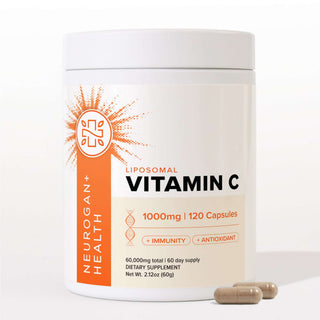
If you experience stomach upset from vitamin C supplements, try a "buffered" form (like calcium ascorbate or sodium ascorbate), which is gentler on the digestive system, or liposomal vitamin C, which can get you to higher dosages (500-1000 mg) while being gentle on the stomach — available in capsules or powder form
-
Some multivitamins contain both, but the doses are often on the lower end — if you're specifically trying to correct a deficiency, a standalone supplement is usually more effective
Which Vitamin Is Better for Immune Support?
Honestly, neither is "better." They just do different things.
Trying to pick one over the other is like asking which is more important: a seatbelt or an airbag? They're both there for a reason. They protect you in different ways. Relying on only one leaves you exposed in ways the other can't cover.
If we're talking about what most people are actually deficient in, vitamin D is the more widespread problem.
Modern life — indoor jobs, sunscreen use, living in cities at northern latitudes — has basically removed most people from the sun. And because vitamin D deficiency often has no obvious symptoms until it becomes severe, there are a lot of people out there walking around with suboptimal levels without knowing it.
That said, don't dismiss vitamin C.
Especially during cold and flu season, during periods of high stress, or if you're training hard athletically, your vitamin C needs increase. And unlike vitamin D, your body can't store it — so consistent intake really does matter. If your diet is low in fresh fruits and vegetables, supplementing vitamin C is an easy and inexpensive fix.
Side-by-Side Comparison Table
Here's an easy-to-grasp side-by-side comparison of each vitamin to help you better understand which vitamin does what.
|
|
Vitamin C |
Vitamin D |
|
Type |
Water-soluble |
Fat-soluble |
|
Also known as |
Ascorbic acid |
Calciferol (D2 or D3) |
|
Main sources |
Citrus fruits, bell peppers, broccoli, strawberries |
Sunlight, fatty fish, egg yolks, fortified foods |
|
RDA (adults) |
65–90 mg/day (up to 200 mg optimal) |
600–800 IU/day (1,000–4,000 IU often recommended) |
|
Upper safe limit |
2,000 mg/day |
4,000 IU/day |
|
Stored by the body? |
No — excreted daily |
Yes — stored in fat tissue |
|
Key benefits |
Immune support, collagen, antioxidant, iron absorption |
Bone health, immune regulation, mood, muscle function |
|
Deficiency signs |
Frequent colds, slow healing, bruising, fatigue |
Fatigue, bone pain, low mood, frequent illness |
|
Deficiency risk |
Less common in developed countries |
Very common — affects 40%+ of US adults |
|
Best taken with |
Any time, with or without food |
A fat-containing meal for best absorption |
FAQs
Resources:
-
Harvard T.H. Chan School of Public Health. (2023). Vitamin C – The Nutrition Source. The Nutrition Source. https://nutritionsource.hsph.harvard.edu/vitamin-c/
-
Oncology NEWS International. (1996). NIH study suggests that 200 mg is the optimal daily dose of vitamin C. Cancer Network. https://www.cancernetwork.com/view/nih-study-suggests-200-mg-optimal-daily-dose-vitamin-c
-
Forrest, K. Y. Z., & Stuhldreher, W. L. (2011). Prevalence and correlates of vitamin D deficiency in US adults. Nutrition Research, 31(1), 48–54. https://doi.org/10.1016/j.nutres.2010.12.001
-
National Institutes of Health, Office of Dietary Supplements. (2024). Vitamin D: Fact sheet for health professionals. U.S. Department of Health and Human Services. https://ods.od.nih.gov/factsheets/VitaminD-HealthProfessional/
-
Zittermann, A., Trummer, C., Theiler-Schwetz, V., & Pilz, S. (2023). Long-term supplementation with 3200 to 4000 IU of vitamin D daily and adverse events: a systematic review and meta-analysis of randomized controlled trials. European Journal of Nutrition, 62(4), 1833-1844.
-
Forrest, K. Y., & Stuhldreher, W. L. (2011). Prevalence and correlates of vitamin D deficiency in US adults. Nutrition research, 31(1), 48-54.
-
Martineau, A. R., Jolliffe, D. A., Hooper, R. L., et al. (2017). Vitamin D supplementation to prevent acute respiratory tract infections: Systematic review and meta-analysis of individual participant data from randomised controlled trials. BMJ, 356, i6583. https://doi.org/10.1136/bmj.i6583

