


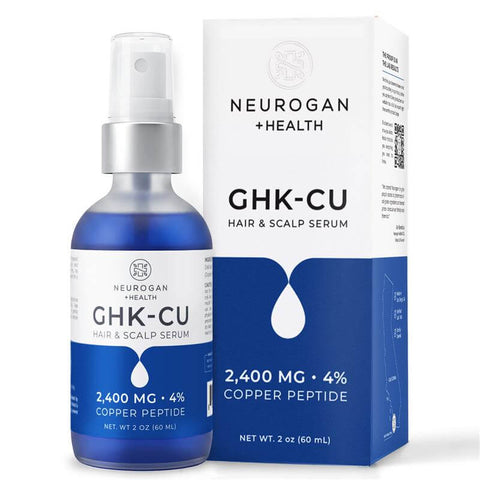
 GHK-Cu Copper Peptide Hair & Scalp Serum
$60
GHK-Cu Copper Peptide Hair & Scalp Serum
$60
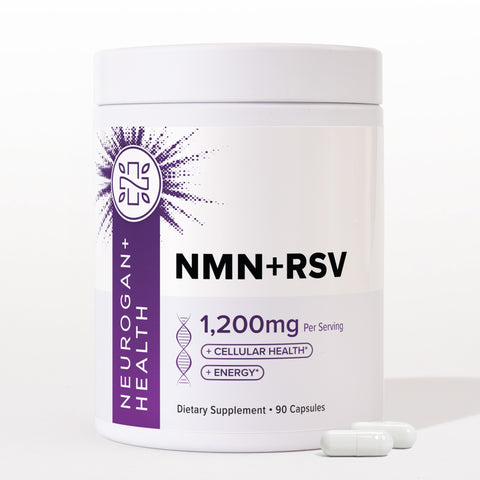 NMN + Resveratrol Capsules
$59
NMN + Resveratrol Capsules
$59
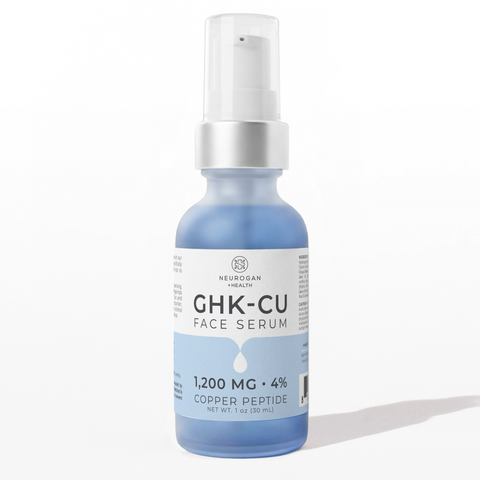 GHK-Cu Copper Peptide Face & Neck Serum
$51
GHK-Cu Copper Peptide Face & Neck Serum
$51
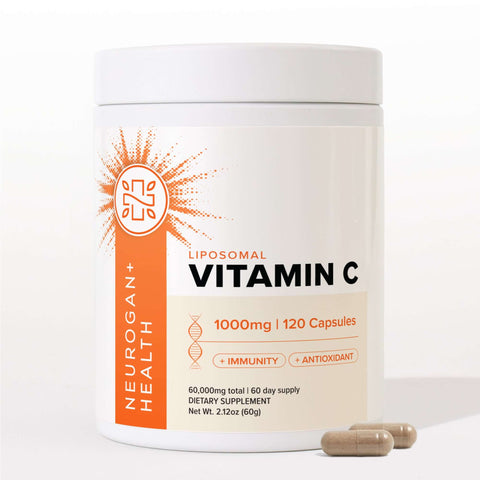 Liposomal Vitamin C
$45
Liposomal Vitamin C
$45
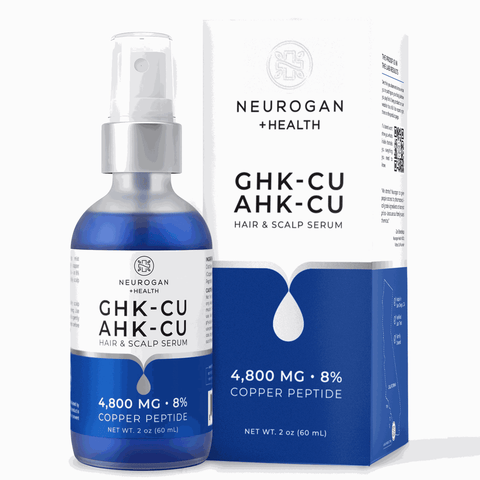 AHK-CU + GHK-CU Hair Serum Pro
$185
AHK-CU + GHK-CU Hair Serum Pro
$185
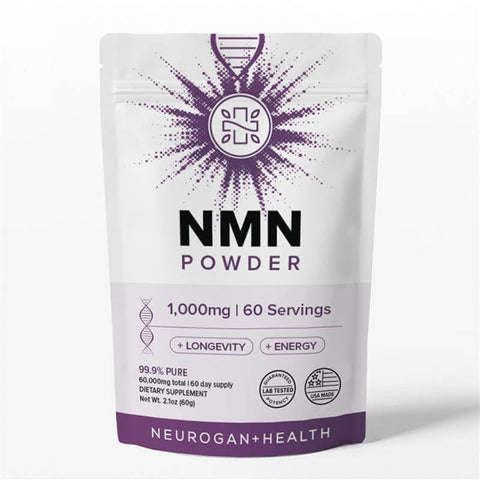 NMN Powder
$40
NMN Powder
$40


Berberine
Berberine is better positioned as a gut-metabolic compound than as a conventional probiotic. It has been studied for pathways involving glucose and lipid metabolism, while research also continues to examine how it interacts with the gut microbiome.
Dihydroberberine
Dihydroberberine is a derivative of Berberine designed around improved absorption — for people who want Berberine-related metabolic support while paying closer attention to formulation, absorption, and digestive comfort.
Gut + Cellular Support
Gut health is connected to much more than digestion. The intestinal microbiome interacts with immune function, metabolism, and signaling throughout the body.
Broader cellular-health formulas containing compounds such as Resveratrol, Luteolin, or NAD-related ingredients can complement a gut-focused routine. They should not, however, be treated as substitutes for probiotics, prebiotics, fiber, or clinically indicated digestive treatments.

What Are Gut Health Supplements?
BUYING & USAGE GUIDE
How to Choose Gut Health Supplements
Start with the reason you are shopping. There is no universal best gut health supplement. Someone interested in microbiome support has a different goal from someone who has difficulty digesting lactose, wants more dietary fiber, or is considering Berberine for metabolic support.
| Your goal | Best-fit category | Why it fits |
|---|---|---|
| Microbiome support | Akkermansia or a strain-specific probiotic | Targets the microbial environment |
| Feed beneficial bacteria | Prebiotic fiber | Provides substrates used by selected gut microbes |
| Help break down food | Digestive enzymes | Supports digestion of specific nutrients |
| Gut + metabolic support | Berberine | Fits the overlap between microbiome and metabolic pathways |
| Berberine support with an absorption-focused formulation | Dihydroberberine | Alternative Berberine-derived format |
| Broader healthy-aging support | Cellular-health formulas | Complements rather than replaces direct gut support |
Probiotic vs. Prebiotic: What Is the Difference?
Probiotics contain microorganisms. Prebiotics feed selected microorganisms already living in the gut. They perform different jobs and can sometimes be used together.
Probiotic evidence is also strain-specific. “Contains Lactobacillus” is less informative than knowing the genus, species, and strain because different strains can produce different effects.
Buy Safely
Good gut-health products should make it easy to understand what you are taking. Be cautious with products that promise to “fix your gut overnight,” “detox your intestines,” “cure leaky gut,” or completely “reset” your microbiome in a few days. Those claims go beyond what most supplements can reliably demonstrate.
For probiotics, look for:
- Genus
- Species
- Strain
- CFU amount when relevant
- Storage requirements
- Expiration information
- Directions for use
For non-probiotic products, look for:
- Exact active ingredient
- Amount per serving
- Ingredient form
- Clear directions
- Lot or batch information
- Quality testing
- Certificate of Analysis availability
What to Look For
Exact ingredient or strain: For probiotics, strain identity matters. Two products may both contain Bifidobacterium, but that does not mean they have the same clinical evidence.
Appropriate amount: More CFUs are not automatically better. The useful amount depends on the exact organism, formulation, and intended use — the same principle applies to fiber, digestive enzymes, and Berberine.
Stability: Live probiotic organisms must remain viable through the product's intended shelf life. Check whether refrigeration is required and whether the company states potency at manufacture or through expiration.
Third-party testing: Can help verify ingredient identity, potency, microbial quality, heavy metals, and other contaminants where relevant.
Certificate of Analysis: Do not treat the words “COA available” as enough by themselves. Check whether the report identifies the product or lot, verifies potency, confirms identity, reports contaminant testing, and shows whether the sample met specification.
How to Use
Follow the directions for the specific product. There is no single gut-health dosage.
| Product type | How to use |
|---|---|
| Probiotics | Follow the product directions because dosing and storage depend on the organism and formulation. |
| Prebiotics and fiber | Start gradually. Increasing fermentable fiber too quickly can cause gas, bloating, or changes in bowel habits. |
| Digestive enzymes | Their usefulness depends on the enzyme and the food being digested — an enzyme for lactose is not equivalent to a general probiotic. |
| Berberine | Follow the product label and pay particular attention to medication interactions. |
| Akkermansia | Use according to the specific formula rather than applying general probiotic dosing rules. |
Safety
Many commonly used gut-health supplements are well tolerated by healthy adults, but side effects depend on the ingredient. Possible effects include gas, bloating, abdominal discomfort, changes in stool frequency, constipation, and diarrhea. Prebiotic fibers are especially likely to cause digestive symptoms when introduced too quickly. Probiotics also deserve additional caution in people who are severely ill or immunocompromised because rare systemic infections have been reported in vulnerable populations.
Talk with a healthcare professional before using gut-health supplements if you:
- Are severely immunocompromised
- Have a central venous catheter
- Take multiple prescription medications
- Have significant gastrointestinal disease
- Are pregnant or nursing
- Are preparing for surgery
- Have persistent or unexplained digestive symptoms
Persistent bleeding, unexplained weight loss, severe abdominal pain, prolonged diarrhea, or major changes in bowel habits should be medically evaluated rather than self-treated with supplements.
Medication and Supplement Interactions
Do not assume that a supplement is interaction-free simply because it is marketed for digestive wellness.
| Ingredient | Interaction note |
|---|---|
| Fiber | Can affect how medications are absorbed. Depending on the medication, separating the supplement and medication may be appropriate. |
| Berberine | Can interact with medications and metabolic pathways, so people taking prescription medication should discuss its use with a healthcare professional. |
| Digestive enzymes | Potential interactions depend on the enzyme and formulation. |
| Probiotics | Direct drug interactions are generally different from those associated with pharmacologically active plant compounds, but people taking antibiotics or managing serious illness should still discuss probiotic timing and suitability with their clinician. |
Value
Look beyond the bottle price when comparing gut health supplements. A 50-billion-CFU probiotic is not automatically better than a 10-billion-CFU product. A 20-strain formula is not automatically better than a carefully selected single-strain product. More organisms, more ingredients, and larger numbers are not substitutes for evidence.
| Compare | Why it matters |
|---|---|
| Cost per serving | Shows the true recurring cost |
| Exact strain or ingredient | Lets you connect the product to relevant research |
| Amount per serving | Helps compare formulas fairly |
| Human evidence | More useful than generic ingredient marketing |
| Potency through expiration | Especially important for live probiotics |
| Third-party testing | Adds quality verification |
| COA access | Provides greater transparency |
| Storage requirements | Can affect product quality and convenience |
| Routine fit | A product has value only when it addresses your actual goal |

Benefits of Gut Health Supplements
What is the best supplement for gut health?
There is no single best gut-health supplement. The best option depends on your goal. Probiotics may be appropriate for certain microbiome-related uses, prebiotics feed selected gut microbes, fiber supports regularity and fermentation, digestive enzymes help break down specific nutrients, and ingredients such as Akkermansia or Berberine fit more specialized routines.
What are the best gut health supplements for adults over 45?
Age alone does not determine which supplement is best. Adults over 45 may be particularly interested in microbiome support, regularity, digestive comfort, metabolic health, or maintaining a diverse diet as the microbiome changes with age. Choose based on the specific need rather than simply looking for a product labeled “for seniors.”
What is the difference between probiotics and prebiotics?
Probiotics contain live microorganisms intended to provide a health benefit. Prebiotics are substances that selected beneficial microorganisms use as food. They perform different roles and can sometimes be used together.
Which probiotic strains are best?
There is no universally best probiotic strain. Effects are strain-specific and condition-specific. Look for the complete organism identification — genus, species, and strain — rather than choosing based only on a large CFU number.
How much prebiotic fiber should I take?
There is no universal dose that applies to every prebiotic. Fibers such as inulin, FOS, GOS, and resistant starch are used differently and can produce different gastrointestinal effects. Start gradually and follow the specific product directions.
Can probiotics help with bloating?
Sometimes, but results depend on the cause of bloating and the specific probiotic strain. Some people may also experience a temporary increase in gas or bloating after starting a probiotic or prebiotic. Persistent bloating deserves investigation rather than simply adding more supplements.
What are digestive enzymes?
Digestive enzymes help break large food molecules into smaller components your body can absorb. Lactase breaks down lactose, lipase helps digest fats, proteases help digest proteins, and amylases help digest carbohydrates. Digestive enzymes and probiotics are not the same thing.
Are gut health supplements safe?
Many commonly used gut-health supplements are well tolerated by healthy adults, but safety depends on the ingredient and the person using it. Prebiotics may cause gas or bloating. Probiotic organisms can pose additional risks for some severely immunocompromised or critically ill people. Berberine and other bioactive ingredients can interact with medications.
What side effects can probiotics cause?
Possible effects include gas, bloating, changes in bowel movements, and mild abdominal discomfort. These effects may be temporary, but stop the product and seek medical advice if symptoms are significant or persistent.
How long do gut health supplements take to work?
There is no universal timeline. A digestive enzyme may act around the meal in which it is taken. Fiber can affect bowel habits relatively quickly. Probiotic studies commonly evaluate outcomes over weeks rather than hours or days. Judge results according to the specific product and goal.
What are the signs of a healthy gut?
There is no medical checklist that proves your microbiome is “healthy.” Practical signs of normal gastrointestinal function can include comfortable digestion, regular bowel movements, normal stool consistency, and absence of persistent gastrointestinal symptoms. Microbiome composition itself is much more complicated than a simple healthy-versus-unhealthy score.
What are the seven signs of an unhealthy gut?
There is no scientifically accepted universal list of exactly seven signs. Persistent bloating, pain, diarrhea, constipation, major bowel-habit changes, unexplained weight changes, or blood in the stool can indicate gastrointestinal problems, but these symptoms have many possible causes. Do not assume they automatically mean “gut dysbiosis.”
How can I improve my gut health naturally?
Food and lifestyle remain the foundation: eat a diverse diet, include vegetables and fruit, eat legumes and whole grains, include nuts and seeds, use fermented foods when tolerated, get adequate fiber, exercise regularly, and prioritize adequate sleep. Supplements can fill a specific role, but they should not replace these basics.
What foods naturally support the gut microbiome?
Plant foods rich in different types of fiber are especially useful — beans and lentils, oats, barley, onions, garlic, asparagus, bananas, berries, apples, and nuts and seeds. Fermented foods such as yogurt, kefir, kimchi, and sauerkraut can also add different microorganisms or fermentation products to the diet.
What is a 7-day gut reset?
There is no standardized medical “7-day gut reset.” The phrase is mostly used in wellness and diet marketing. You can improve your diet in seven days by adding more whole plant foods, fiber, adequate hydration, and fermented foods, but the gut microbiome is dynamic and does not simply reset on a fixed seven-day schedule.
Do probiotics work for everyone?
No. Results depend on several factors, including the exact strain, the health outcome being studied, dose, duration, the individual, diet, existing microbiome, and other health conditions. A probiotic should not be judged simply by whether it contains “good bacteria.”
What should I look for on a probiotic label?
Genus, species, strain, CFU amount, potency through expiration when available, storage instructions, expiration date, and quality testing.
Are more probiotic strains better?
Not necessarily. A multi-strain formula can be useful, but adding more strains does not automatically improve effectiveness. A well-studied single strain may be more appropriate for a particular goal than a large blend with little evidence for the final formulation.
What should a gut-health supplement COA show?
Depending on the product, useful testing may include ingredient identity, potency, microbial contamination, heavy metals, other contaminant testing, and batch or lot identification. For probiotics, potency and organism identity are especially relevant. View Lab Results →
Can gut health supplements interact with medications?
Yes. Potential interactions depend on the ingredient. Fiber may alter medication absorption. Berberine may interact with several medications and metabolic pathways. Review your supplement routine with a qualified healthcare professional if you take prescription medication.
Are gut health supplements worth taking?
They can be when there is a clear reason to use them. A good product should have a clearly defined purpose, an appropriate ingredient or strain, a meaningful amount, evidence relevant to that ingredient, transparent labeling, quality testing, and a reasonable cost per serving. Buying a generic “gut health” product without knowing what it contains or what problem it is intended to address is much less useful.