


Resveratrol and retinol are two popular active ingredients in skin care for addressing skin texture and premature aging. You can use them together as they work in different ways on the skin, but it’s best to start by staggering their applications to avoid skin irritation.
Retinol is a vitamin A derivative that the skin converts into retinoic acid to support collagen production and cell turnover — it’s considered the gold standard for fine lines and wrinkles as well as texture and acne concerns.
Resveratrol is a polyphenol primarily used for antioxidant protection and anti-inflammatory effects, helping reduce redness and skin irritation.
Can I Use Resveratrol and Retinol Together?
You can absolutely use resveratrol and retinol together in the same skincare routine — and it’s a great idea if you're working to improve an uneven skin tone and reduce fine lines.

Topical retinol supports skin renewal and helps to regulate oily skin, while resveratrol helps protect skin from daily oxidative stress, making them a complementary pairing.
How To Use Resveratrol and Retinol Together in a Routine
The key to making the most of your retinol and resveratrol serums is timing and layering. Because retinol can be sensitizing, resveratrol is often used to help balance and restore the skin.
Retinol increases your skin cells’ turnover rate, revealing a fresh layer of skin, but it can also make your skin sensitive to other ingredients, so you might want to stagger your application of other active ingredients. It’s also important to note that retinol will make your skin sensitive to the sun, so adding an SPF to your morning routine is a non-negotiable.
Option 1: Morning + Night (Most Common)
Morning: Cleanser - Resveratrol Serum - Moisturizer - Sunscreen
Night: Cleanser - Retinol Serum - Moisturizer
This approach works well as it lets your resveratrol serum provide antioxidant protection during the day, while retinol works overnight to support skin renewal and stimulates collagen production, which would naturally occur.
If you’re new to retinol products, introduce them into your skincare routine slowly, start with 1-2 times a week, and only in the evenings. If you’re not seeing any irritation, you can increase your frequency.
If you notice your skin peeling with retinol use, this is normal, but you may want to ease off the retinol to let your skin barrier recover.
Option 2: Same Night routine
Night: Cleanser - Resveratrol Serum (applied first, if lighter texture) - Retinol - Moisturizer
This works well for more experienced retinol users who have more resilient skin. We don’t recommend layering retinol with other active ingredients until your skin barrier is ready, as this can cause breakouts and skin sensitivity.
Option 3: Alternate Nights (Sensitive Skin)
Night 1: Cleanse - Resveratrol Serum - Moisturizer
Night 2: Cleanse - Retinol - Moisturizer
Alternating your skincare products with active ingredients can help reduce irritation while allowing you to benefit from both ingredients over the week.
The Key Differences Between Retinol and Resveratrol
Retinol is an active form of vitamin A used topically that increases skin cell turnover, helping improve the appearance of fine lines, texture, and uneven tone over time. Because it actively pushes skin renewal, retinol can be sensitizing, especially at higher strengths or when first introduced.
Resveratrol, on the other hand, is an antioxidant. Instead of speeding up cell turnover, it helps protect the skin from oxidative stress caused by environmental factors such as UV exposure and pollution. It’s generally well tolerated, less irritating, and often used to support overall skin balance and resilience.
Over-the-Counter vs. Prescription Retinol
Retinol is available in both over-the-counter and prescription-strength forms, but they’re not the same.
Over-the-counter retinol products use lower-strength vitamin A derivatives and are designed for gradual results with better tolerability. Prescription retinoids (such as tretinoin) are stronger, act more directly on skin receptors, and can produce visible changes more quickly, but they also carry a higher risk of dryness, peeling, and irritation.
Resveratrol doesn’t have prescription versions. Topically, it’s generally considered suitable for most skin types and is not known to significantly increase sensitivity, which is why it’s often used alongside more active ingredients like retinol.
Retinol vs. Resveratrol at a Glance
|
Feature |
Retinol |
Resveratrol |
|
Ingredient Type |
Vitamin A Derivative |
Polyphenol |
|
Primary Function |
Encourages Skin Cell Turnover |
Provides Antioxidant Protection |
|
Sensitizing Potential |
Moderate to High |
Low |
|
Typical Use Time |
Night Only |
Morning or Night |
|
Availability |
Over-the-Counter and Prescription |
Over-the-Counter |
|
Best For |
Fine lines, texture, acne, discoloration |
Environmental stress, skin support |
What People Are Saying on Reddit: Resveratrol vs. Retinol
Discussions on Reddit — especially in skincare-focused communities — often arise when people are trying to understand whether resveratrol can truly replace retinol or work better alongside it. One frequently mentioned product is Caudalie Resveratrol Lift, which is sometimes marketed as a gentler alternative to retinol.
“Is Resveratrol an Alternative to Retinol?”
One user summed up a common question after hearing brand claims:
“My friend showed me this today and told me this is some kind of alternative to retinol? … they claim it is 3 times more effective than retinol. I would love to hear opinions from more informed people.”
Across replies, the consensus was clear: resveratrol is not a true replacement for retinol, even if the product feels effective on the skin.
“Great With Retinol — Not Instead of It”
Several Redditors shared that they used resveratrol products alongside retinoids rather than in place of them:
“Definitely not as a retinol alternative — I was actually using it on top of my retinal serum every night.”
“Resveratrol is a good antioxidant… but not in the same way that retinol does. It’s a good firming and hydrating serum to assist, but not replace, the use of retinol.”
Immediate Results vs. Long-Term Effects
Some people pointed out that resveratrol products tend to offer immediate cosmetic benefits, while retinol works more slowly:
“If you put it on your skin, it will make it look more moisturized and a bit ‘plumper’… Retinol doesn’t work like that. Retinoids work by encouraging collagen production.”
“All they’re really saying is the skin looked more hydrated immediately… which doesn’t mean it works like a retinoid.”
Based on these discussions, we can see that resveratrol products are widely appreciated for their hydrating, plumping, and skin-comfort benefits, but most users don’t see resveratrol as a true replacement for retinol.
Many prefer using resveratrol alongside retinol to support the skin barrier and overall appearance. The consensus is that expectations matter — resveratrol works best as a supportive antioxidant ingredient, not a substitute for the long-term skin-renewing effects of retinoids.
What Supplements Can You Take With Retinol and Resveratrol?
Supporting skin health doesn’t stop at topical skincare. Many people also look at dietary supplements to support skin function from the inside out.
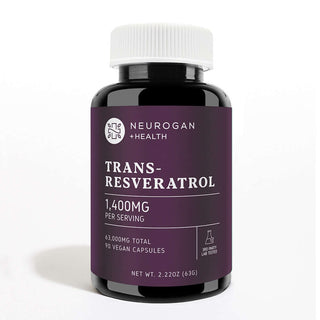
Resveratrol is one of the most popular supplements in this category.
Taken orally, it’s valued for its antioxidant properties and is often included in routines focused on cellular health and aging. Resveratrol is commonly paired with NMN (nicotinamide mononucleotide), since the two are frequently used together in longevity-focused supplement stacks.
While these supplements don’t replace topical skincare, they’re often used alongside it as part of a broader approach to healthy aging.
Other supplements people commonly pair with retinol-based skincare routines include:
-
Antioxidants (to support oxidative balance)
-
Omega-3 fatty acids (for skin barrier support)
-
Zinc (often associated with skin maintenance)
-
Vitamin C (commonly used for collagen support)
Why Vitamin A Isn’t Typically Taken as a Supplement
Even though retinol is derived from vitamin A, vitamin A isn’t commonly taken internally at high doses for skin health. That’s because fat-soluble vitamin A can accumulate in the body, and excessive intake may lead to toxicity.
For this reason, high-dose vitamin A is usually only used under medical supervision, such as in prescription treatments for severe acne (for example, iso-tretinoin known as Accutane). These treatments are tightly controlled due to their potential side effects.
Topical retinol allows vitamin A derivatives to act locally on the skin, which is why it’s the preferred and safer route for most people focused on skincare.

