
When people say they need more energy, they usually mean they feel tired, sluggish, or unfocused.
But cellular energy means something more specific.
Cellular energy is the usable chemical energy your cells produce and use to do their jobs. A lot of this energy moves around through a molecule called ATP, or adenosine triphosphate.
What we might call "regular energy" is different. It describes how energetic, alert, motivated, or physically capable you feel.
The two are connected, but they aren't interchangeable.
You can drink coffee and feel more awake without actually improving mitochondrial function. And you can support normal cellular energy metabolism without immediately feeling a noticeable burst of energy.
That distinction makes it a lot easier to separate genuine cellular-health support from products that simply promise an "energy boost."
Cellular Energy vs Regular Energy at a Glance
|
Cellular Energy |
Everyday or "Regular" Energy |
|
|
What it means |
Usable energy produced and moved around within cells |
How energetic or alert you feel |
|
Main cellular form |
ATP |
No single biological molecule |
|
Where it comes from |
Metabolism of nutrients, with mitochondria playing a major role |
Cellular metabolism plus sleep, hormones, stress, nutrition, hydration, fitness, and brain signaling |
|
Can caffeine affect it? |
Caffeine isn't cellular fuel |
Yes, caffeine can temporarily increase alertness |
|
Can you feel it directly? |
Not usually |
Yes |
|
Does it change with age? |
Mitochondrial and metabolic processes can change with age |
Perceived energy can change with age for many reasons |
|
Can supplements support it? |
Some nutrients support pathways involved in energy metabolism |
Sometimes, but cellular support doesn't guarantee an immediate feeling of energy |
The easiest way to remember the difference: cellular energy keeps your cells working. Everyday energy is how you experience your ability to get through the day.
What Is Cellular Energy?
Every cell has work to do. Muscle cells contract. Nerve cells transmit signals. Cells build proteins, maintain their membranes, transport molecules, and carry out thousands of chemical reactions.
Those jobs need energy. Your body gets potential energy from nutrients like carbohydrates and fats. Through a series of metabolic reactions, cells convert that energy into forms they can actually use. ATP sits right at the center of this process.
ATP Is Your Cells' Energy Currency
ATP stands for adenosine triphosphate. It's often called the "energy currency" of the cell, because cells can spend the energy stored in ATP to power processes that need an energy input.
ATP supports basic functions, including muscle contraction, nerve signaling, active transport across cell membranes, building proteins and other molecules, and everyday cellular maintenance.
Your cells don't simply make a lifetime supply of ATP and store it away. ATP gets continuously used and regenerated. That means cellular energy production is ongoing, not a tank that fills up once a day.
What Are Mitochondria?
Mitochondria are structures inside most of your cells that play a major role in aerobic energy production.

You've probably heard them called the "powerhouses of the cell."Mitochondria use products made from carbohydrates, fats, and proteins to help produce ATP through a process called cellular respiration.
That's one reason mitochondrial health comes up so often in research on cellular energy, physical performance, and aging.
But mitochondria aren't a wellness buzzword, and they're not a battery you can simply "recharge" with one supplement. They're part of a complex biological system shaped by nutrition, exercise, genetics, health status, age, and plenty of other factors.
How Does Your Body Turn Food Into Cellular Energy?
The process is complex, but the basic idea is simple:
Food → nutrients → metabolic pathways → ATP → cellular work
A few interconnected processes make that happen.
Glycolysis
Glucose can be broken down through a process called glycolysis. This happens outside the mitochondria and produces a relatively small amount of ATP, while also creating molecules that feed into additional energy-producing pathways.
The Citric Acid Cycle
Inside mitochondria, products from carbohydrates, fats, and some amino acids can enter the citric acid cycle. This helps generate electron-carrying molecules used during later stages of cellular respiration.
The Electron Transport Chain
Those electrons eventually enter the mitochondrial electron transport chain. The energy released through that process helps create the conditions needed to produce ATP through something called oxidative phosphorylation. Oxygen plays an essential role in this aerobic process.
You don't need to memorize any of these pathways to understand cellular energy.
The important point is that the calories in your food aren't the same thing as ATP. Your body has to convert the chemical energy in nutrients into usable cellular energy first.
What Does "Regular Energy" Actually Mean?
"Regular energy" isn't a scientific term. When someone says "I have a lot of energy today," they're usually describing a feeling.
That feeling can include alertness, motivation, stamina, concentration, physical readiness, and feeling less fatigued.
Cellular metabolism contributes to your ability to function, but how energetic you feel depends on a lot more than that.
Sleep is an obvious example. You might stay up most of the night and feel exhausted the next morning. That doesn't mean every mitochondrion in your body suddenly stopped producing ATP.
Sleep quality, circadian rhythm, stress, hydration, calorie intake, physical conditioning, blood glucose regulation, hormones, medications, illness, and brain signaling also shape how energetic you feel.
That's why "I feel tired" and "my cells aren't producing enough ATP" aren't medically equivalent statements.
Cellular Energy vs a Caffeine Energy Boost
Coffee gives us one of the easiest ways to understand the difference.
Caffeine can make you feel more alert.
One of its main actions is blocking adenosine receptors in the brain. Adenosine normally helps build up sleep pressure the longer you're awake. Blocking those receptors can temporarily reduce how tired you feel.
But caffeine isn't supplying your mitochondria with a fresh reserve of ATP. Feeling more awake doesn't necessarily mean you've improved cellular energy production.
This is an important concept when you're evaluating supplements, drinks, and other products advertised for "energy." Some mainly affect how alert you feel. Others contain nutrients involved in cellular metabolism. These are different mechanisms, and you shouldn't treat them as if they do the same thing.
Why Cellular Energy Matters as We Age
Your body still produces ATP whether you're 25, 45, or 75.
But aging is tied to changes in several processes related to mitochondrial function and energy metabolism. Researchers study age-related changes involving mitochondrial quality, mitochondrial turnover, oxidative stress, NAD+ metabolism, muscle mass, metabolic health, and physical activity.
That doesn't mean hitting a certain birthday suddenly gives you "low cellular energy." Aging is a lot more complicated than that. But it does help explain why maintaining muscle, staying physically active, eating well, and supporting normal metabolic function become increasingly important over time.
For a broader look at this area, see our cellular health supplements.
What Causes Low Cellular Energy?
This question deserves some caution, because "low cellular energy" isn't a diagnosis you can make just from feeling tired.
Fatigue has plenty of possible causes. At the cellular level, ATP production can be affected when the biological systems needed to produce energy aren't functioning normally. That can involve nutrient availability, oxygen delivery, mitochondrial function, metabolic health, physical inactivity, or certain medical conditions.
Rare mitochondrial diseases can directly impair cellular energy production, but ordinary afternoon fatigue isn't evidence that you have a mitochondrial disorder. Persistent or unexplained fatigue deserves a medical evaluation rather than automatic treatment with an "energy" supplement.
Can You Measure Cellular Energy?
Not with a simple consumer test.
Researchers can measure aspects of mitochondrial function and ATP production using specialized techniques, depending on the research or medical question. These may include:
-
Cellular respiration measurements
-
Mitochondrial enzyme analysis
-
Metabolic testing
-
Muscle biopsy
-
Magnetic resonance spectroscopy and other lab techniques
These methods aren't the same thing as a wellness test that spits out a score like "73% cellular energy."
Be skeptical of consumer tests that claim to reduce your entire mitochondrial health down to one simple number without strong scientific validation behind them.
Which Nutrients and Supplements Support Cellular Energy?
Many nutrients support normal energy metabolism. That doesn't mean taking more of every single one will produce more energy.

A better question is: what role does this nutrient actually play, and what does the human evidence show?
NAD+ and NMN
NAD+, or nicotinamide adenine dinucleotide, is a coenzyme involved in cellular metabolism. It takes part in redox reactions that help cells convert nutrients into usable energy. Enzymes also use NAD+ in other cellular processes, which is why NAD+ metabolism is a major area of healthy-aging research.
NMN, or nicotinamide mononucleotide, is a precursor used in NAD+ production.
Human trials have shown that NMN supplementation can raise NAD-related metabolites under certain conditions.
For example, one randomized, double-blind trial gave older adults either placebo or 250 mg of NMN per day for 12 weeks. NMN increased blood NAD+ and related metabolites. The main stepping-test outcome didn't significantly differ from placebo, though secondary outcomes included a faster four-meter walking time and improvements in some sleep measures [1].
That's an important example of how to read supplement research correctly. Increasing NAD+ isn't automatically the same as proving that a supplement makes everyone feel more energetic.
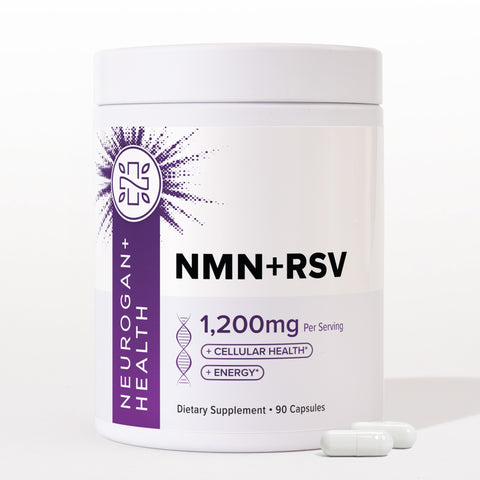
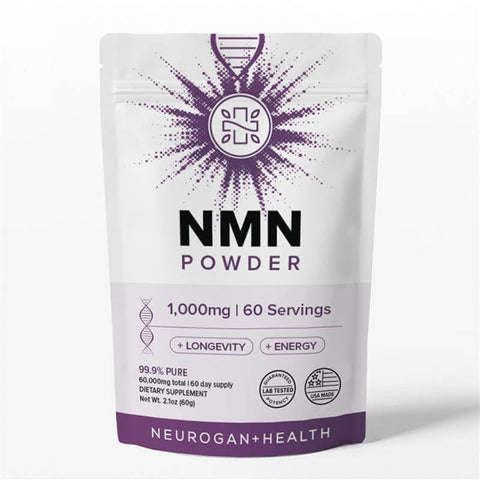
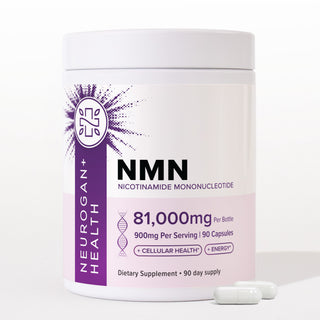
For people interested specifically in NAD+ support, Neurogan Health offers several options: NMN Capsules 900mg, NMN Capsules 500mg, NMN Powder, NMN + Resveratrol Capsules, and NAD+ Capsules. You can compare all NMN supplements here.
Resveratrol
Resveratrol is a plant polyphenol found naturally in foods like grapes. It isn't ATP, and it shouldn't be described as cellular fuel. Instead, researchers study resveratrol for its antioxidant activity and its interactions with cellular signaling pathways.
Neurogan Health offers standalone Resveratrol Capsules, as well as NMN + Resveratrol Capsules for people who prefer a combined formula.
This combination is more relevant to someone interested in NAD+-related cellular pathways than to someone simply chasing the stimulant-like feeling of an energy drink.
Urolithin A and Mitochondrial Quality
Urolithin A is another compound getting attention in mitochondrial-aging research. Certain gut bacteria can produce it as a metabolite of compounds found in foods like pomegranates, rich in ellagic acid.
Researchers are especially interested in its relationship with mitophagy, the process your cells use to identify and recycle damaged or dysfunctional mitochondria.
Human results are interesting, but they need some context.
In a randomized trial of 66 adults aged 65 to 90, four months of urolithin A supplementation (1,000 mg daily) significantly improved muscle endurance in both hand and leg muscles, and lowered several blood markers tied to mitochondrial health and inflammation. That said, the six-minute walking distance test showed an improvement that didn't reach statistical significance compared with placebo [2]
Another randomized trial in middle-aged adults found that urolithin A (at 500 mg or 1,000 mg daily for four months) produced a roughly 12% improvement in muscle strength, along with improvements in aerobic endurance and the six-minute walk test. Its primary endpoint, peak power output, didn't show a significant improvement [3].
That being said, these studies were funded by a company that patented most of the forms of Urolithin A supplements you see on the market today.
The takeaway is that human research suggests urolithin A may influence mitochondrial-quality pathways and some muscle outcomes, but results vary by measure, and more research is still needed.
CoQ10
Coenzyme Q10, or CoQ10, has a direct biological connection to mitochondrial energy metabolism. It takes part in the mitochondrial electron transport chain, where electrons get transferred during the process used to generate ATP.
That makes CoQ10 relevant to cellular energy. But it doesn't guarantee that taking CoQ10 will make every healthy person feel more energetic. Effects can depend on health status, baseline nutrient levels, age, and other factors.
Neurogan Health currently includes CoQ10 within its broader energy supplements category.
Creatine
Creatine gets associated with bodybuilding, but its role in cellular energy is much broader than that. Your muscles use something called the phosphocreatine system to rapidly regenerate ATP during periods of high energy demand.
That's one reason creatine has such a strong evidence base for supporting high-intensity exercise performance, and why it's increasingly studied in older populations too.
For someone over 45 who cares about cellular energy because they want to stay strong and physically capable, maintaining muscle through resistance exercise, adequate protein, and appropriate nutrition is crucial at least as much as chasing specialized mitochondrial supplements.
B Vitamins
Several B vitamins act as cofactors in pathways involved in energy metabolism. That's why you'll often see B vitamins marketed as "energy vitamins."
However, being necessary for energy metabolism doesn't mean taking extra B vitamins acts like a stimulant. If someone has inadequate B-vitamin levels, correcting that can make a big difference. If nutritional status is already fine, taking progressively larger doses doesn't mean your mitochondria will simply produce progressively more ATP.
Which Cellular Energy Supplements Have the Best Evidence?
|
Ingredient |
Cellular Role |
Evidence Context |
Best Reason to Consider |
|
CoQ10 |
Electron transport and mitochondrial ATP production |
Established biological role; clinical effects vary by population |
Mitochondrial support |
|
Creatine |
Rapid ATP regeneration |
Strong human evidence for physical performance |
Strength and exercise performance |
|
NMN / NAD+ support |
NAD+ metabolism |
Growing human evidence |
NAD+-focused cellular support |
|
Urolithin A |
Mitochondrial quality-control pathways |
Human trials available; outcomes vary by measure |
Healthy aging and muscle-focused mitochondrial support |
|
B vitamins |
Metabolic cofactors |
Essential nutrients; benefits depend heavily on your nutritional status |
Normal energy metabolism |
Cellular Energy and Muscle Strength
Muscles need ATP to contract. But that doesn't mean muscle strength is simply a measurement of cellular energy.
Strength also depends on muscle mass, neuromuscular function, training status, protein intake, recovery, and overall health.
This becomes something more to think about with age, since maintaining muscle is closely tied to staying mobile and independent. Supporting mitochondrial function can be part of a healthy-aging strategy, but it shouldn't replace resistance training, adequate nutrition, or appropriate medical care.
Cellular Energy and Your Brain
Your brain is also metabolically demanding. Neurons need a steady supply of energy to maintain ion gradients, transmit signals, and carry out other essential functions. Mitochondria are key to normal brain function for exactly that reason.
But more ATP doesn't automatically equal better memory, sharper focus, higher intelligence, or protection against cognitive decline. Cognitive function depends on interconnected factors including sleep, cardiovascular health, physical activity, metabolic health, neurological health, and age.
Supporting normal energy metabolism is just one part of that.
How Can You Support Cellular Energy Naturally?
Supplements can target specific nutritional or metabolic pathways. They shouldn't be the foundation, though.
Exercise Regularly
Exercise is one of the most important ways to support metabolic and mitochondrial health.
Repeated physical activity signals your body to adapt to increased energy demand. Both aerobic exercise and resistance training play a role. For adults over 45, resistance training becomes especially valuable, since it also helps preserve muscle and strength.
Prioritize Sleep
Sleep is a perfect example of why cellular energy and perceived energy shouldn't be confused.
Even the most sophisticated mitochondrial supplement can't replace chronically inadequate sleep. Consistent sleep supports normal metabolic, hormonal, and neurological function, and strongly shapes how energetic you feel the next day.
Eat Enough Nutrient-Dense Food
Your cellular machinery needs raw materials.
A balanced diet provides carbohydrates, fats, protein, vitamins, minerals, and plant compounds. You don't need a special "mitochondrial diet." You need enough energy and nutrients within an overall eating pattern that supports metabolic health.
Maintain Muscle
Muscle is metabolically active tissue, and it’s important for glucose regulation, mobility, and healthy aging. Regular resistance exercise combined with enough dietary protein is one of the most practical ways to support long-term physical function.
Don't Use Stimulants to Cover Up Persistent Fatigue
Coffee can be useful. So can tea. But if you need increasingly large amounts of caffeine just to function normally, there might be an underlying issue at play.
Sleep deprivation, anemia, thyroid problems, medication effects, nutrient deficiencies, depression, and plenty of other issues can all contribute to fatigue. A stimulant can temporarily change how tired you feel without fixing what is actually causing the tiredness.
How to Choose a Cellular Energy Supplement
The phrase "cellular energy supplement" covers products with very different mechanisms. Don't shop based only on the phrase printed on the front of the bottle.
Instead, ask yourself:
-
What ingredient am I actually taking?
-
What cellular pathway is it supposed to support?
-
Is that mechanism backed by human evidence, or mainly by cell and animal studies?
-
What dose was actually studied?
-
How much does this product provide?
-
Has the finished product been tested for identity, potency, and contaminants? Can I see the lab results?
-
Does it duplicate anything already in my routine?
-
What does a daily serving actually cost?
That process is a lot more useful than choosing whichever product makes the biggest promise.
Neurogan Health publishes available Certificates of Analysis and batch testing through its Lab Test Results page. That transparency is non-negotiable, because a clinical trial on NMN or another ingredient doesn't tell you whether an untested product actually contains what's printed on its label.
Should You Take NMN, NAD+, or a Combination?
There's no one right answer. These products target related pathways, but they aren't identical.
NMN is a precursor used in NAD+ production. NAD+ is the coenzyme itself. Resveratrol is a polyphenol studied for antioxidant and cellular-signaling effects, rather than as an NAD+ precursor.
Someone who wants a straightforward NMN routine might prefer NMN Capsules. Someone who wants a lower-strength capsule option can compare NMN 500mg Capsules. Someone who prefers more control over serving size may prefer NMN Powder. Someone interested in combining an NAD+ precursor with a polyphenol may prefer NMN + Resveratrol Capsules. And people looking specifically for direct NAD+ can compare NAD+ Capsules.
The key is choosing based on the pathway and your goals, rather than assuming the product with the longest ingredient list is automatically the best.
Are Cellular Energy Supplements Safe?
"Supports cellular energy" doesn't mean risk-free.
Safety depends on the ingredient, the dose, your health status, and any other medications or supplements you're taking. Potential issues can include gastrointestinal effects, medication interactions, and overlapping ingredients when you combine multiple supplements.
Long-term evidence also varies widely by ingredient. NMN is a good example. Shorter human trials provide useful safety data, but NMN doesn't have the same depth of decades-long outcome data as many established nutrients.
That's another reason to keep a promising biological mechanism separate from a proven long-term health outcome in your head.
If you take prescription medications, have a diagnosed health condition, are preparing for surgery, or use several supplements together, review your routine with a qualified healthcare professional.
Cellular Energy vs Regular Energy: The Bottom Line
Cellular energy and feeling energetic aren't the same thing.
Cellular energy refers to the biochemical energy your cells continuously produce and use, mainly through ATP. "Regular energy" describes your subjective experience of feeling alert, motivated, and physically capable.
Mitochondria, NAD+, CoQ10, and many other nutrients play a role in the biology behind cellular energy production. But how energetic you feel also depends on sleep, nutrition, stress, fitness, hormones, medications, and your overall health.
That's why a product that supports an energy-metabolism pathway shouldn't automatically be described as something that will "give you energy."
For adults interested in healthy aging, a better strategy is to start with the foundations: exercise, muscle maintenance, adequate nutrition, sleep, and metabolic health.
Then, if you want additional support, choose supplements based on the specific pathway you're trying to support, the quality of the human evidence, and whether the finished product has transparent testing behind it.
Frequently Asked Questions
What Is Cellular Energy Called?
ATP, or adenosine triphosphate, is commonly described as the cell's energy currency. Cells continuously produce and use ATP to power energy-dependent biological processes.
Does Cellular Energy Give You Energy?
Cellular energy allows your cells and tissues to function, so it's essential to everything you physically do. But your subjective feeling of energy isn't determined by ATP alone. Sleep, stress, hormones, nutrition, fitness, and other factors also shape how energetic you feel.
How Do I Boost Cellular Energy?
Regular exercise, proper nutrition, sufficient sleep, and good metabolic health all support normal cellular energy metabolism. Certain nutrients and supplements also support mitochondrial or NAD+-related pathways, but no supplement replaces those foundations.
What Causes Low Cellular Energy?
There's no universal cause. Problems affecting nutrient availability, oxygen delivery, metabolism, or mitochondrial function can interfere with ATP production. Feeling tired alone doesn't prove impaired cellular energy production.
What Supplements Support Cellular Energy?
Ingredients commonly studied in connection with cellular energy include CoQ10, creatine, NAD+ precursors like NMN, and compounds studied in mitochondrial-health research like urolithin A. Their mechanisms and levels of human evidence differ, so they shouldn't be treated as interchangeable.
Is Cellular Energy the Same as Metabolism?
No. Metabolism refers to the large network of chemical reactions that keep your body functioning. Cellular energy production is one important part of metabolism.
Can Cellular Energy Be Measured?
Scientists and clinicians can measure aspects of ATP production and mitochondrial function with specialized techniques, but there's no standard consumer test that gives you a definitive overall "cellular energy level."
Does Caffeine Increase Cellular Energy?
Caffeine mainly affects how alert you feel by influencing adenosine signaling in the nervous system. That's not the same thing as directly improving mitochondrial ATP production.
References
-
Morifuji, M., Higashi, S., Ebihara, S., & Nagata, M. (2024). Ingestion of β-nicotinamide mononucleotide increased blood NAD levels, maintained walking speed, and improved sleep quality in older adults in a double-blind randomized, placebo-controlled study. GeroScience, 46(5), 4671–4688.
-
Liu, S., D'Amico, D., Shankland, E., Bhayana, S., Garcia, J. M., Aebischer, P., Rinsch, C., Singh, A., & Marcinek, D. J. (2022). Effect of urolithin A supplementation on muscle endurance and mitochondrial health in older adults: A randomized clinical trial. JAMA Network Open, 5(1), e2144279.
-
Singh, A., D'Amico, D., Andreux, P. A., Fouassier, A. M., Blanco-Bose, W., Evans, M., Aebischer, P., Auwerx, J., & Rinsch, C. (2022). Urolithin A improves muscle strength, exercise performance, and biomarkers of mitochondrial health in a randomized trial in middle-aged adults. Cell Reports Medicine, 3(5), 100633.