


 01 · With breakfast
Start at breakfast
Swallow one tablet with a glass of water at breakfast. One a day is the standard serving, and a tub lasts about 60 days.
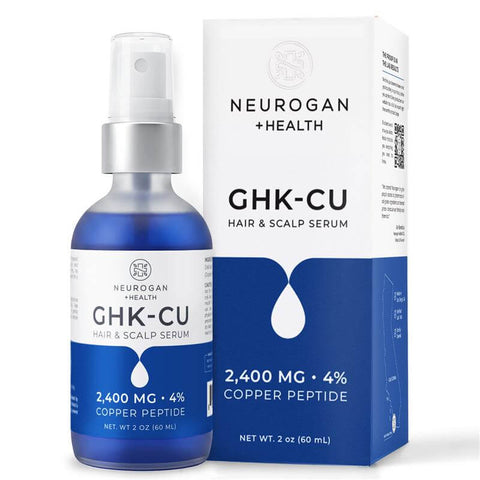 GHK-Cu Copper Peptide Hair & Scalp Serum
$53
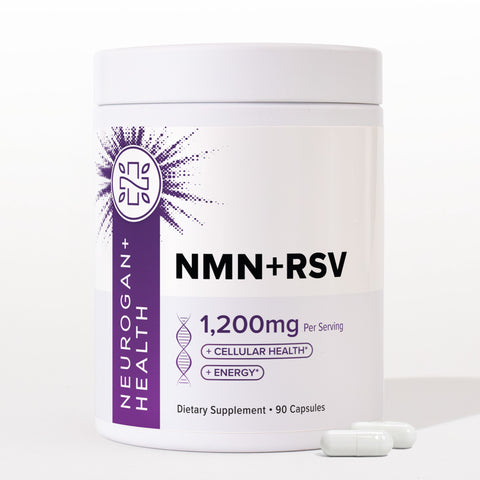 NMN + Resveratrol Capsules
$41
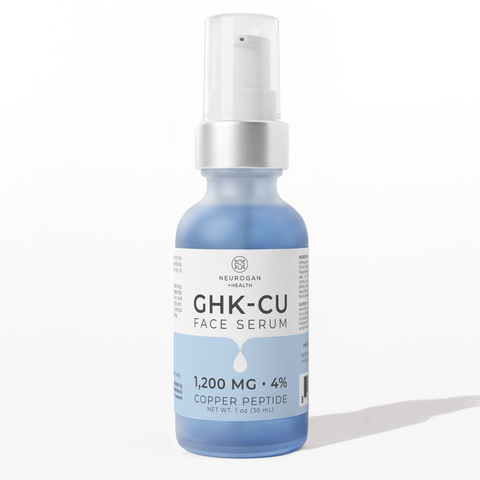 GHK-Cu Copper Peptide Face & Neck Serum
$45
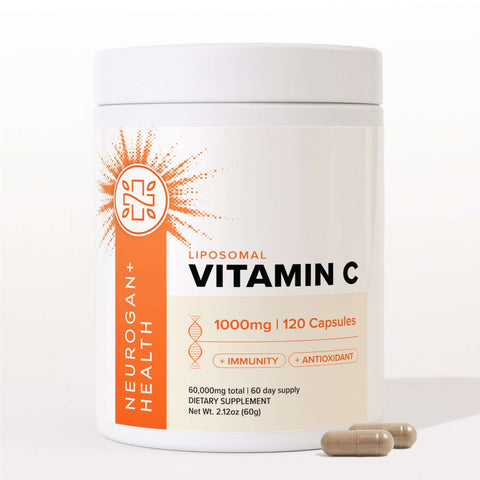 Liposomal Vitamin C Capsules, 120 Count
$31
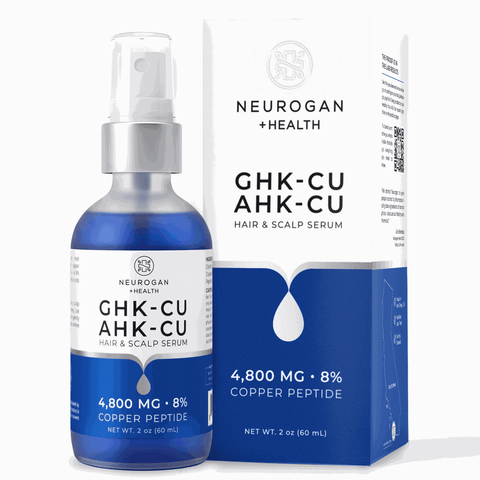 AHK-CU + GHK-CU Hair Serum Pro
$156
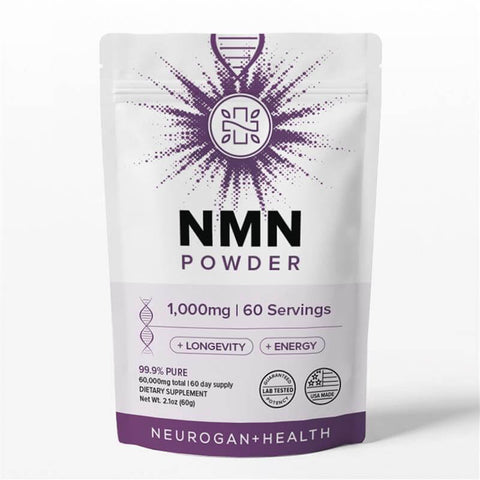 NMN Powder
$40


100 mg of luteolin, a plant flavonoid, bound with sunflower phospholipids in one small tablet.
Free with this choice
*These statements have not been evaluated by the Food and Drug Administration. This product is not intended to diagnose, treat, cure, or prevent any disease.
Each tablet holds 100 mg of liposomal luteolin: luteolin bound with phospholipids from sunflower lecithin. Take one tablet a day, or two for a higher serving. A tub of 60 lasts about 60 days at one a day, or 30 days at two.
Take one with water at breakfast, and a second with dinner if you want a higher serving.
Each 100 mg tablet is a complex of luteolin bound with sunflower phospholipids, the format that makes it liposomal.
Each tablet weighs 0.4 g, so it is easy to swallow.
Liposomal Luteolin supports antioxidant activity and cellular resilience by delivering luteolin in a liposomal format intended to help protect it through the digestive tract.* The micro‑bubble phospholipid liposomes formed from sunflower lecithin help keep luteolin dispersed and may support its stability and uptake, compared with non‑liposomal forms that are more exposed to stomach conditions.
Each tablet contains 100 mg of liposomal luteolin, with 60 tablets per bottle, making it simple to add this flavonoid to your daily antioxidant and longevity‑focused regimen.
Suggested use: Take one (1) to two (2) tablets daily with a glass of water, preferably with food.
Where luteolin comes from, why it is bound with phospholipids, and how much to take.
What you take
100 mg
Luteolin is a plant flavonoid found in foods such as celery, parsley and green peppers. Each tablet holds 100 mg of liposomal luteolin.
Why phospholipids?
Phospholipids are the fat-like molecules that make a supplement liposomal. Ours come from sunflower lecithin, so the complex is soy-free.
How long does it last?
60 days
At one tablet a day, a tub of 60 lasts about two months. At two a day, it lasts about one month.
Individual results vary.
01 · With breakfastSwallow one tablet with a glass of water at breakfast. One a day is the standard serving, and a tub lasts about 60 days.
 02 · At lunch
Any meal works. Pick one you never skip and take your tablet with it every day. Give it several weeks of steady daily use.
 03 · Optional second
For a higher serving, take a second tablet with dinner. At two a day, a tub lasts about 30 days.
Not for use by anyone under 18. Do not use if you are pregnant or nursing.
Talk to a healthcare professional first if you take medication or have a medical condition.
Luteolin bound with sunflower phospholipids, pressed into a small tablet.
 DECLARED ACTIVE
Luteolin (Sunflower Lecithin Phospholipid Complex)
Luteolin bound with sunflower lecithin phospholipids, 100 mg per tablet.
As listed on the product label.
The label shows the exact amount: 100 mg of liposomal luteolin per tablet.
The phospholipids in the complex come from sunflower lecithin.
Manufactured in the USA in a Eurofins GMP certified process.
Reviews marked Verified Buyer come from confirmed purchases.
I like this stuff. Take it every day
The product came quickly and I am seeing the results I hoped to see from this product. I will definately be ordering again.
Although I have learned to start slow with supplements and not to set my expectations too high, the results from this supplement have been amazing. I have autoimmune diseases of RA, Sjogrens, psoriasis and MCAS that I naturally treat/control through amino acids and supplements. I have to admit, at times I feel like my supplement graveyard is greater than the viable ones, but this Lipo Luteolin from Neurogan is definitely an essential keeper. Luteolin has a strong impact on MCAS, histamine and neuroinflammation, however, not all luteolin is created equal. I have tried others, but Neurogan Health really beats them all. Not only does their citrus peel formula avoid side effects as those based on Perilla seed extract or fenugreek but the simple liposomal tablet ensures efficient and effective delivery to the body. I really appreciate the value of this product for my daily health — and aging. It is truly the best💛
I've tried standard luteolin capsules before and felt basically nothing. The liposomal version is a different story. Within the first two weeks I noticed less brain fog in the afternoons and my post-workout inflammation felt noticeably dialed down. The liposomal delivery is the key differentiator here. Regular luteolin has poor bioavailability, most of it never makes it past your gut. Wrapping it in phospholipids solves that problem, and you can actually feel the difference. What I appreciate most is the clean formulation. No unnecessary fillers, straightforward dosing, and easy on the stomach. I take it in the morning with food and it fits seamlessly into my stack alongside NMN and omega-3s.
Would buy again.
Individual results vary. These are customer experiences, not a clinical study.
Liposomal luteolin is used to support antioxidant defenses and normal cellular protection by providing luteolin in a phospholipid‑based format designed to help protect it during digestion. The liposomal delivery system aims to support stability and absorption, although direct human comparisons with non‑liposomal luteolin are still limited.
Luteolin has generally been well tolerated at common supplemental intakes in research and consumer use, though some people report mild digestive discomfort, especially at higher doses or when taken on an empty stomach. As with any supplement, people with chronic conditions, those who are pregnant or breastfeeding, or those on multiple medications should consult a healthcare professional before use.
Luteolin is studied for its antioxidant and cell‑protective actions, including helping the body manage oxidative stress and supporting normal inflammatory balance. In supplement stacks, it’s often used to complement other antioxidants and longevity‑focused ingredients for overall cellular wellness rather than for treating a specific disease.
Current evidence suggests luteolin can interact with estrogen‑related pathways in laboratory settings, often by modulating or inhibiting certain estrogen‑related enzymes rather than acting as a direct estrogen booster. At common supplemental intakes it’s not generally considered an “estrogen‑raising” ingredient, but people with hormone‑sensitive conditions should discuss luteolin use with their healthcare provider.
