
NMN and NR are both precursors the body can use to support NAD+ production, and current human evidence does not establish a universal winner between them.
That conclusion is now stronger than it was a few years ago because NMN and NR have finally been compared directly in humans.
In a 2026 randomized, open-label, placebo-controlled trial, healthy adults took either NMN, nicotinamide riboside (NR), nicotinamide, or placebo for 14 days. NMN and NR both produced comparable sustained increases in circulating NAD+.1
That means the common argument:
“NMN is one biochemical step closer to NAD+, therefore NMN must be better than NR”
is not supported by the best direct human comparison currently available.
There is also no good human evidence showing that taking NMN and NR together works better than taking one adequately studied precursor by itself.

The practical answer is:
NMN and NR can both raise NAD-related biomarkers. You do not need both, and stacking them has not been proven to produce greater NAD+ increases or better clinical outcomes.
NMN vs NR at a Glance
| Factor | NMN | NR |
|---|---|---|
| Full name | Nicotinamide mononucleotide | Nicotinamide riboside |
| NAD+ precursor? | Yes | Yes |
| Human clinical trials? | Yes | Yes |
| Direct human comparison? | Yes | Yes |
| 2026 head-to-head NAD+ result | Comparable increase | Comparable increase |
| Proven clinical superiority? | No | No |
| Need to take both? | No evidence of a universal need | |
| Proven anti-aging treatment? | No | No |
What Is NMN?
NMN stands for nicotinamide mononucleotide.
It is an intermediate in NAD+ biosynthesis and can be converted into NAD+ through NMN adenylyltransferase enzymes.
NMN has now been studied in multiple randomized human trials at a range of oral doses and study durations.
The most consistent human finding is that NMN can increase NAD-related biomarkers. Broader outcomes involving glucose metabolism, body composition, physical performance, blood pressure, and other measures have been more variable.2
For the broader explanation, see What Is NMN?.
What Is NR?
NR stands for nicotinamide riboside.
It is another NAD+ precursor related to vitamin B3 metabolism.
NR has a longer modern human supplementation history than NMN and has been studied in healthy adults as well as populations with obesity, cardiovascular risk, mild cognitive impairment, Parkinson's disease, chronic kidney disease, and other conditions.
Human studies have repeatedly shown that NR can increase NAD-related metabolites, although improvements in clinical or functional outcomes vary considerably by population and endpoint.3,4
What Are the Key Differences Between NMN and NR?
NMN and NR are structurally related, but they are not identical.
The main differences involve:
- their chemical structure;
- their position in NAD+ biosynthetic pathways;
- their metabolic handling;
- the history and size of their respective human research literatures;
- and the formulations available commercially.
Historically, NR had a clearer human clinical evidence base because human NR trials began earlier.
That distinction has narrowed considerably.
NMN now has multiple randomized trials, systematic reviews, longer-duration research, and a direct human comparison with NR.1,2,5
How Do NMN and NR Become NAD+?
A simplified classical pathway is:
NR → NMN → NAD+
NR can be phosphorylated by nicotinamide riboside kinase enzymes to form NMN.
NMN can then be converted by NMNAT enzymes into NAD+.
That makes this simplified comparison tempting:
NR → NMN → NAD+
versus:
NMN → NAD+
However, the conclusion:
“NMN has one fewer step, therefore it must work better”
does not follow automatically.
Oral supplements have to be absorbed, metabolized, transported, and distributed through a complex biological system before circulating or tissue NAD+ levels change.
The 2026 head-to-head human trial is therefore more informative than simply counting arrows in a pathway diagram.1
What Did the 2026 NMN vs NR Human Trial Find?
A 2026 study published in Nature Metabolism directly compared several NAD+ precursors in healthy adults.1
The randomized, open-label, placebo-controlled trial included 65 participants in the modified intention-to-treat analysis.
Participants received one of four interventions for 14 days:
- nicotinamide riboside;
- nicotinamide mononucleotide;
- nicotinamide;
- or placebo.
The NR and NMN groups received 1,000 mg/day.
After 14 days:
both NR and NMN comparably increased circulating NAD+.
Nicotinamide did not produce the same sustained chronic NAD+ response under the study conditions.1
This is one of the most useful studies for the NMN-vs-NR question because it tested the compounds within the same protocol rather than asking readers to compare unrelated studies conducted in different populations.
Does NMN Raise NAD+ More Than NR?
Not according to the current direct human comparison.
The 2026 trial found that NR and NMN increased circulating NAD+ to a comparable degree over 14 days.1
That does not prove the compounds are identical.
It also does not establish that every dose, formulation, tissue, age group, or health condition will respond exactly the same way.
But it does mean there is currently no good basis for claiming:
- NMN always raises NAD+ more than NR;
- NR always raises NAD+ more than NMN;
- or one is universally more effective based solely on its position in the pathway.
What Did the Gut-Microbiome Findings Show?
The same 2026 study found something particularly interesting about oral NAD+ precursors.
In ex vivo experiments with human gut microbiota, both NR and NMN gave rise to nicotinic acid.1
The researchers proposed that microbial conversion to nicotinic acid may contribute to the sustained rise in circulating NAD+ after oral NR and NMN.
They also found in ex vivo whole-blood experiments that nicotinic acid was a potent NAD+ booster under those conditions.
This suggests oral precursor metabolism may be considerably more complex than:
NR → NMN → NAD+
or:
NMN → NAD+
alone.
It also gives another reason to be cautious about declaring one precursor superior just because its textbook pathway appears shorter.
The gut-dependent model remains a mechanistic interpretation that will require further confirmation in different populations and study designs.
Which Is Better, NMN or NR?
Neither has proven universal superiority.
If “better” means:
Better at Increasing Circulating NAD+
The direct 2026 human comparison found comparable effects.1
Better Clinical Outcomes
No robust head-to-head human evidence establishes a winner.
Longer Human Research History
NR has the longer modern human supplementation history.
Growing Human Evidence Base
NMN has now accumulated enough randomized human research that it can no longer fairly be described as lacking human evidence.
The right answer is therefore less satisfying than supplement marketing often suggests:
the evidence does not currently justify a universal NMN-over-NR or NR-over-NMN recommendation.
Does NR Have More Human Research Than NMN?
Historically, yes.
NR entered human clinical research earlier and has been evaluated in multiple populations.
For example, a 2018 randomized crossover trial found that six weeks of NR supplementation was generally well tolerated and increased NAD+ metabolism in healthy middle-aged and older adults.3
High-dose NR has also been evaluated in clinical populations. A 2023 randomized double-blind safety trial in Parkinson's disease tested high-dose NR and reported no moderate or severe adverse events attributable to treatment during the trial.4
But NMN's evidence base has grown substantially.
A 2026 meta-analysis included 15 randomized NMN trials, and a separate 24-week randomized study evaluated 1,250 mg/day NMN in older adults.2,5
So in 2026 it is more accurate to say:
NR has the longer human research history; NMN now also has a meaningful human clinical literature.
Does NR Absorb Better Than NMN?
Clinical superiority in absorption has not been established.
NR is sometimes described as “more bioavailable” because of differences in molecular structure or proposed transport pathways.
NMN is sometimes described as “more direct” because it sits one step closer to NAD+ in the classical pathway.
Neither argument by itself proves a superior human outcome.
The direct human trial found that both oral NMN and NR produced comparable sustained increases in circulating NAD+ at equal studied doses.1
That is more clinically useful than trying to infer overall effectiveness from molecular size alone.
Which Is Safer: NR or NMN?
There is not enough comparative evidence to declare one universally safer.
Both have short-term human safety data.
NMN Safety
A 2026 systematic review and meta-analysis of randomized NMN trials found no significant increase in overall adverse events, serious adverse events, withdrawals due to adverse events, or ALT and AST abnormalities across the included short-term studies.2
NR Safety
NR has also generally been well tolerated in controlled human studies, including the healthy-adult trial by Martens and colleagues and the high-dose NR-SAFE Parkinson's disease study.3,4
However:
short-term tolerability is not the same as established safety for years of daily supplementation.
Long-term comparative safety evidence remains limited for both.
Is NMN Harder on the Liver Than NR?
Current evidence does not establish that NMN is categorically harder on the liver than NR.
The 2026 NMN meta-analysis did not find a significant pooled increase in ALT or AST during the studied periods.2
That does not mean liver effects are impossible in every person, at every dose, or with every supplement formulation.
Product quality, medications, underlying liver disease, dose, and duration can all change the safety context.
For NMN-specific safety evidence, see NMN Side Effects & Safety.
Does Raising NAD+ Mean Better Health Outcomes?
No—not automatically.
This is one of the most important lessons from the current human literature.
A September 2026 randomized double-blind trial gave adults aged 65 and older 1,250 mg/day of NMN for 24 weeks.5
NMN significantly increased circulating NAD+ and related metabolites and was generally well tolerated.
However, the study found no significant improvement in its primary auditory endpoint or in physical-performance measures.
Exploratory changes in some other measurements did not remain significant after correction for multiple comparisons.5
This illustrates a principle that applies to both NMN and NR:
A higher NAD+ biomarker is evidence that the compound affected the intended pathway. It is not, by itself, proof of more energy, slower aging, better physical performance, or longer life.
Can You Take NMN and NR Together?
They can be used in the same supplement routine, but there is no good human evidence showing that the combination is better than using one alone.
There is no established harmful interaction that requires NR and NMN to always be separated.
But there is also no established reason most people need to stack both.
Because both are being used to influence the same broad NAD+ system, using two precursors does not automatically mean:
- twice the NAD+ increase;
- better absorption;
- greater energy;
- better longevity outcomes;
- or fewer side effects.
Should You Take NMN and NR Together?
There is no evidence-based requirement to take both.
The direct 2026 human trial showed that NMN and NR individually increased circulating NAD+ substantially when used separately.1
That makes the rationale for automatically stacking both less compelling.
If someone already uses one well-characterized NAD+ precursor at an appropriate product-specific serving, adding another precursor should not be assumed to provide extra benefit.
Does Taking NMN and NR Together Work Better?
That has not been established.
There is currently no strong controlled human trial demonstrating:
NMN + NR > NMN alone
or:
NMN + NR > NR alone
for NAD+ elevation or clinical outcomes.
Until such trials exist, “stacking” should be described as a personal supplementation strategy—not as an evidence-based way to amplify NAD+ benefits.
Does Stacking NMN and NR Raise NAD+ More?
There is no reliable human evidence demonstrating an additive or synergistic NAD+ increase from taking both simultaneously.
It is biologically possible that total precursor exposure could influence NAD metabolism, but that is not the same as showing that a two-precursor stack is more efficient or clinically useful.
The appropriate test would be a controlled human study directly comparing:
- NMN alone;
- NR alone;
- NMN + NR;
- and placebo.
We do not yet have strong evidence from that type of trial.
Is There a Downside to Taking Both?
The clearest potential downsides are practical rather than a proven dangerous interaction.
Using both may mean:
- higher supplement cost;
- greater total precursor exposure without proven extra benefit;
- more capsules or a more complicated routine;
- and greater difficulty identifying which product is responsible if you experience an unwanted effect.
That does not prove the combination is harmful.
It means duplication should have a reason beyond “two NAD+ boosters must be better than one.”
NMN vs NR: Which One Should You Choose?
NMN May Make Sense If:
- you prefer the NMN-specific human trial literature;
- you already use a well-characterized NMN product;
- or you prefer the available NMN formulations and serving sizes.
NR May Make Sense If:
- you prefer a precursor with a longer modern human research history;
- you prefer an established NR formulation with strong quality documentation;
- or NR is more practical for your existing routine.
Taking Both Is Not Automatically Better If:
- your only rationale is that two precursors should produce twice the effect;
- you are adding cost without a specific reason;
- or you expect the combination to provide proven anti-aging effects.
NMN vs NR Cost and Value
Prices change too frequently for a static article to make a meaningful brand-by-brand cost comparison.
A more useful comparison is:
- cost per actual serving;
- amount of the named active ingredient;
- number of capsules required;
- third-party testing;
- ingredient identity;
- current batch documentation;
- and whether the formulation itself resembles what has actually been studied.
Do not assume the cheapest milligram is the best value if identity, potency, or product testing is unclear.
Frequently Asked Questions
Which is better, NMN or NR?
Neither has proven universal superiority.
In a direct 2026 human study, equal studied doses of NMN and NR produced comparable sustained increases in circulating NAD+ over 14 days.1
Which is safer, NR or NMN?
Both have generally favorable short-term human tolerability data, but there is not enough comparative evidence to declare one universally safer.
What are the key differences between NMN and NR?
They differ in chemical structure, their position in NAD+ biosynthesis, metabolic handling, research history, and available formulations.
Both can raise NAD-related biomarkers in humans.
Can you take NMN and NR together?
They can be used in the same supplement routine, but there is no good human evidence showing that taking both is better than using one alone.
Should you take NMN and NR together?
There is no evidence-based requirement to use both.
Each precursor can increase circulating NAD+ when used independently.1
Do you need both NMN and NR?
No.
Human evidence does not show that both are required for NAD+ support.
Does taking NMN and NR together work better?
That has not been established.
No strong controlled human trial currently demonstrates superior NAD+ or clinical outcomes from the combination.
Does NMN raise NAD+ more than NR?
Not in the current direct human comparison.
The 2026 trial found comparable sustained NAD+ increases from NMN and NR.1
Does NR absorb better than NMN?
There is no strong human evidence showing that NR's oral absorption produces universally superior clinical NAD+ effects.
Pathway and molecular-size arguments should not be treated as substitutes for direct comparative trials.
Is NMN more direct than NR?
NMN is one step downstream of NR in the simplified classical NAD+ pathway.
That does not prove NMN is clinically more effective. Oral NR and NMN produced comparable circulating NAD+ increases in the direct 2026 study.1
Is NMN harder on the liver than NR?
Current human evidence does not establish that NMN is categorically harder on the liver.
Pooled NMN trials did not show significant ALT or AST elevations over the studied periods.2
Which has more human research?
NR has the longer modern human supplementation history.
NMN now also has a substantial randomized human trial literature and a direct comparison with NR.
Does raising NAD+ mean the supplement is improving my health?
Not necessarily.
Higher NAD+ demonstrates biological target engagement. It does not automatically establish better physical performance, slower aging, or longer lifespan.
Final Takeaway
NMN and NR are both legitimate NAD+ precursors with human clinical research behind them.
The strongest direct comparison currently available found that 1,000 mg/day of NMN and 1,000 mg/day of NR produced comparable sustained increases in circulating NAD+ over 14 days.1
That means the older arguments:
- “NMN must be better because it is more direct”;
- “NR must be better because it is more bioavailable”;
- or “taking both must work better than one”
are more certain than the human evidence allows.
NR has the longer human research history, while NMN now also has a substantial and growing human evidence base.
Neither has established universal clinical superiority, and taking both together has not been proven to produce greater benefit.
If choosing between NMN and NR, focus less on pathway marketing and more on human evidence, actual serving amount, product quality, testing, price, and whether the formulation fits your goals.
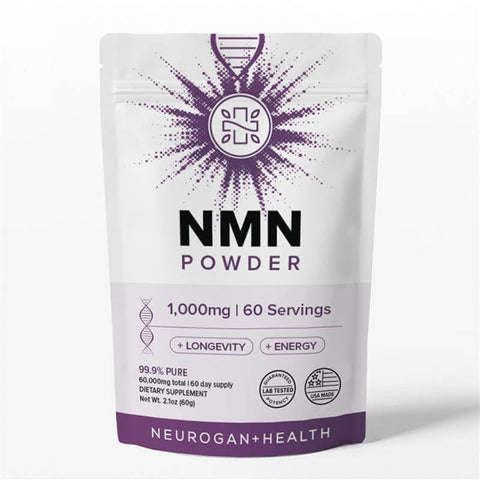
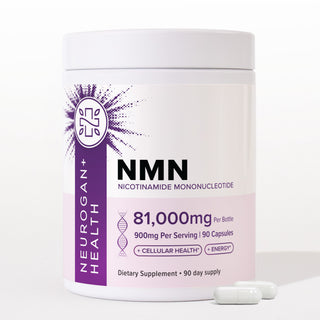
Compare Neurogan Health NMN Supplements.
References
- Christen S, Redeuil K, Goulet L, et al. The differential impact of three different NAD+ boosters on circulatory NAD and microbial metabolism in humans. Nature Metabolism. 2026;8(1):62–73. PMID: 41540253. doi:10.1038/s42255-025-01421-8.
- Yang W, Huang J, Tang Z, Chen C, Sun Y. Safety and Metabolism-Related Outcomes of Oral Nicotinamide Mononucleotide Supplementation in Adults: A Systematic Review and Meta-Analysis. Nutrients. 2026;18(14):2251. PMID: 42514320. doi:10.3390/nu18142251.
- Martens CR, Denman BA, Mazzo MR, et al. Chronic nicotinamide riboside supplementation is well-tolerated and elevates NAD+ in healthy middle-aged and older adults. Nature Communications. 2018;9:1286. PMID: 29599478. doi:10.1038/s41467-018-03421-7.
- Berven H, Kverneng S, Sheard E, et al. NR-SAFE: a randomized, double-blind safety trial of high dose nicotinamide riboside in Parkinson's disease. Nature Communications. 2023;14:7793. PMID: 38016950. doi:10.1038/s41467-023-43514-6.
- Igarashi M, Naruse K, Takaoka Y, et al. Sustained NAD+ augmentation by high-dose nicotinamide mononucleotide supplementation in older adults: a 24-week randomized, double-blind, placebo-controlled trial. npj Aging. 2026. doi:10.1038/s41514-026-00482-7.