


Resveratrol and grape seed extract are dietary supplements that come from grapes, known for their high antioxidant potential, but they’re used for slightly different health benefits. It might seem confusing because they’re both derived from grapes, but they work through distinct biological pathways to support different aspects of health.
At a high level, the differences come down to where they’re sourced from and how they act. Resveratrol is a single, well-studied polyphenol found in grape skin, best known for influencing longevity and metabolism-related processes in the body.
On the other hand, grape seed extract comes from the seeds and contains a blend of compounds, including oligomeric proanthocyanidins (OPCs), which target blood vessels, connective tissue, and skin structure.
Where Does Resveratrol Come From?
Resveratrol is a single polyphenol belonging to the stilbene family. It’s produced by plants as a defense compound and is found primarily in:
-
Grape skins
-
Red wine
-
Blueberries and some other berries
-
Japanese knotweed (the most common supplemental source)
Because resveratrol is concentrated in grape skins — not seeds — it’s associated more with wine than with whole-grape extracts.
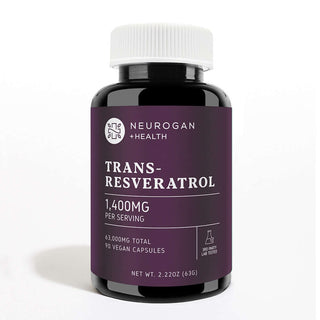
Resveratrol exists in two forms: cis-resveratrol and trans-resveratrol. Of the two, trans-resveratrol is the form most commonly used in supplements and research.

That’s because trans-resveratrol is the biologically active and more stable isomer, so it’s the form most often studied for its effects on cellular signaling, oxidative stress, and longevity-related pathways.
Cis-resveratrol can form when resveratrol is exposed to light or heat, but it’s considered less active and less relevant from a supplementation standpoint.
For this reason, many high-quality supplements specify trans-resveratrol, aiming to deliver the form that’s better absorbed, more stable, and more consistent with the research behind resveratrol’s metabolic and aging-related effects.
Where Does Grape Seed Oil Come From?
Grape seed extract is made from the seeds of grapes, not the skins. It’s a complex mixture, not a single compound, and is rich in:
-
Oligomeric proanthocyanidins (OPCs)
-
Other polyphenols
-
Flavonoids
-
Small amounts of vitamin E
Most high-quality GSE supplements are standardized to a specific OPC percentage. It’s the number you want to pay attention to, and it refers to the percentage of oligomeric proanthocyanidins in the extract, the main bioactive compound.
For example:
-
100 mg of grape seed extract standardized to 95% OPCs contains about 95 mg of OPCs
-
200 mg standardized to 50% OPCs contains about 100 mg of OPCs
Most high-quality grape seed extracts are standardized to 70–95% OPCs, which is what you’d want to support cardiovascular health and skin benefits.
Is Grape Seed Extract The Same As Resveratrol?
Grape seed extract and resveratrol are closely related because they come from grapes, but they are not the same thing.
Grape seed extract is a blend of antioxidants, mainly OPCs (proanthocyanidins), along with other polyphenols and flavonoids, all concentrated from grape seeds.
Resveratrol is a single polyphenol found mainly in grape skins, red wine, and plants like Japanese knotweed. It’s better known for influencing longevity- and metabolism-related signaling pathways, including sirtuins.
What Makes Grape Seed Extract and Resveratrol Similar?
Both are grape-derived polyphenol antioxidants with overlapping cardiovascular and anti‑inflammatory benefits, but they differ in specific compounds and main targets. It’s similar to green tea vs. caffeine — both come from the same plant, but one is a complex blend of compounds, while the other is a single, targeted molecule.
|
Feature |
Resveratrol |
Grape Seed Extract |
|
Source |
Grape skins, red wine, Japanese knotweed |
Grape seeds |
|
Compound Type |
Single polyphenol (stilbene) |
Multi-Coumpound Extract, rich in OPCs |
|
Antioxidant Activity |
Yes |
Yes |
|
Primary Biological Focus |
Cellular signaling, metabolism, longevity pathways |
Vascular health, circulation, connective tissue, skin |
|
Key bioactives |
Trans-resveratrol |
Oligomeric proanthocyanidins (OPCs), flavonoids |
|
Typical formulations |
Capsules, oil-based or protected systems |
Capsules, tablets, powders |
|
Common Dosing |
100–500 mg per day (trans-resveratrol) |
100–300 mg per day range, typically standardized to 70–95% OPCs |
Dosage Differences: What to Look For and How to Take Them
The common dosage range for resveratrol dietary supplements is 100-500 mg per day. When shopping for resveratrol, check the label to make sure it specifies trans-resveratrol (the most bioavailable form), clearly lists the amount per serving, and is sealed in protective packaging.
UV-resistant packaging and a tight seal help protect trans-resveratrol from breaking down due to light exposure and oxygen.
Resveratrol is more fat-soluble, so many people take it with a meal that contains some fat. Because it’s often used to support metabolic and cellular signaling, it’s commonly taken earlier in the day, though timing is flexible.
Because grape seed extract has more going on, the key isn’t just in the milligrams, it’s important to know how much of the extract is made up of OPCs.
The common dosage range for grape seed extract is: 100–300 mg per day, but check the label to make sure it’s standardized to 70–95% OPCs. For example, a 150 mg extract standardized to 95% OPCs delivers more active compounds than a higher-dose extract with low OPC content.
GSE is more water-soluble and generally easy to tolerate. It can be taken with or without food and is often split into two doses when used for circulation or skin support.
Can You Take Them Together?
Yes, you can take resveratrol and grape seed extract together because they work through different biological pathways. Many people use resveratrol and grape seed extract together.
Resveratrol for cellular signaling and metabolic support, and grape seed extract for vascular, collagen, and skin health; both have antioxidant properties to support cell resilience.
When paired, they’re often taken with a meal, or split throughout the day based on personal preference.
NMN and Resveratrol: A Common Pairing
NMN (nicotinamide mononucleotide) is often paired with resveratrol because the two are thought to support distinct yet related cellular pathways for metabolic health and healthy aging.
NMN is a direct precursor to NAD+, a coenzyme used in cellular energy metabolism and repair processes. While resveratrol influences cellular stress-response.
Because of this complementary relationship, many people take NMN and resveratrol together as part of a healthy aging or metabolic support routine. They’re often taken together, typically earlier in the day, and resveratrol is often taken with a meal that contains some fat.
Grape seed extract doesn’t play the same role in NAD+ metabolism, which is why NMN is usually discussed alongside resveratrol — not as a replacement for grape seed extract, but as a different type of support altogether.

