




Growing Trend
Glow Peptides is part of a growing underground trend in anti-aging skincare. It's underground because these peptide compounds have not yet been approved for human cosmetic or therapeutic use as injectables by the FDA.
In Wellness Spas
But you might find some med spas or "wellness clinics" offering peptide injections off-label, or you can travel to places in Eastern Europe and Asia to get treatments where it is legal.
Glow Online
Some people go directly to the source and purchase Glow Peptide Protocols online, which are typically sold for "Research Purposes" as a loophole for sale.
Glow Peptide Information
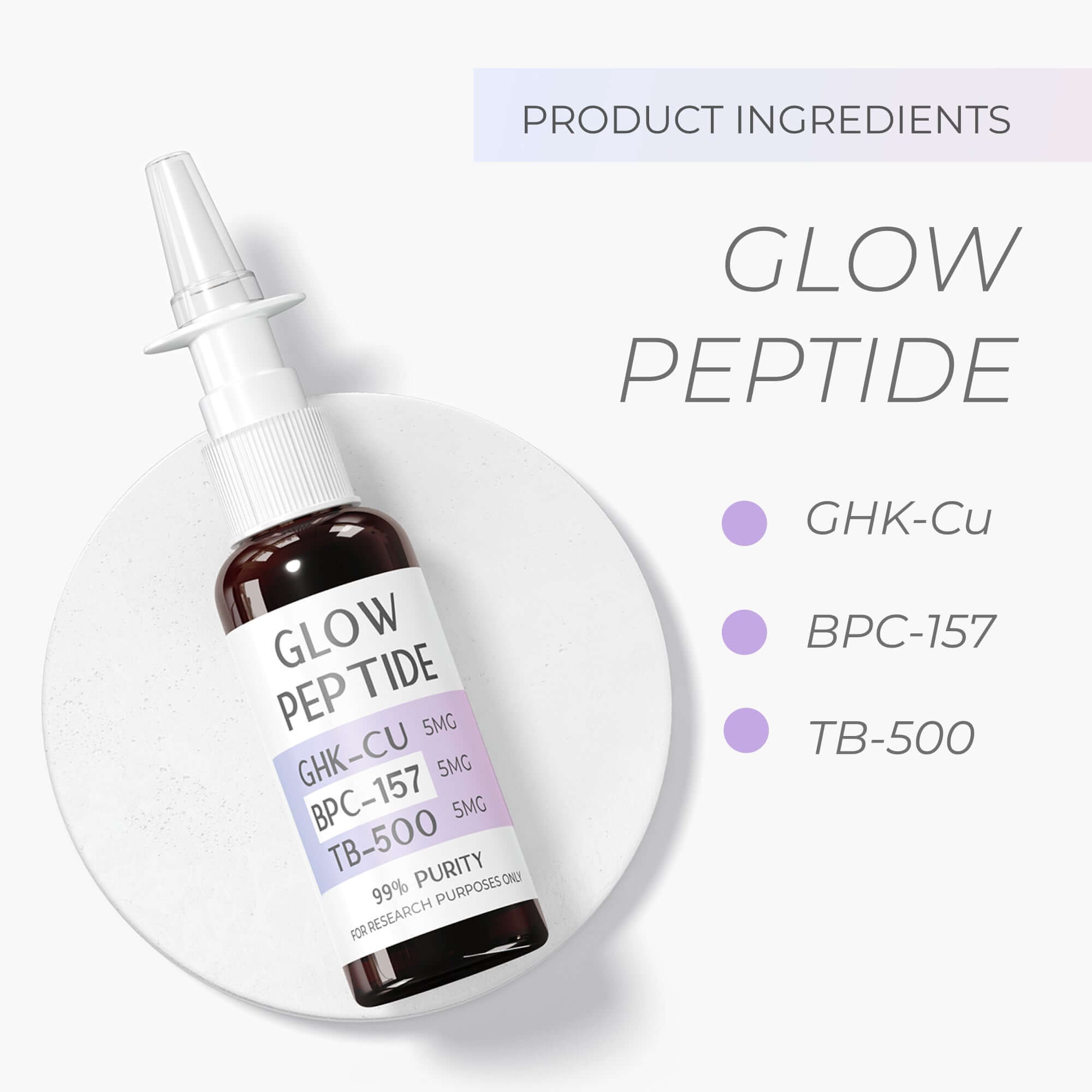
Glow Peptides are an unapproved injectable blend of GHK-Cu, BPC-157, and TB-500, used off-label for skin rejuvenation in underground anti-aging circles.
Potential Benefits
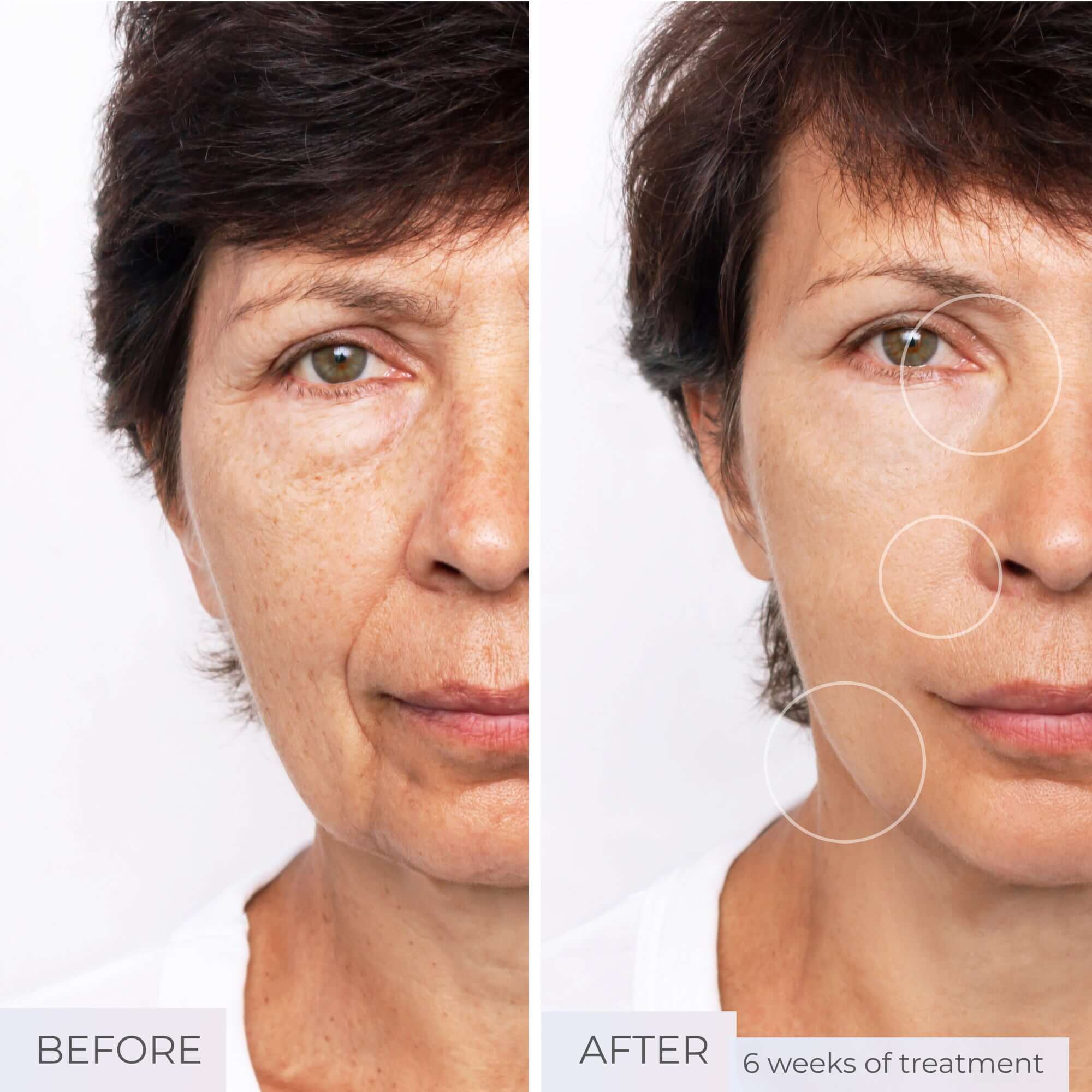
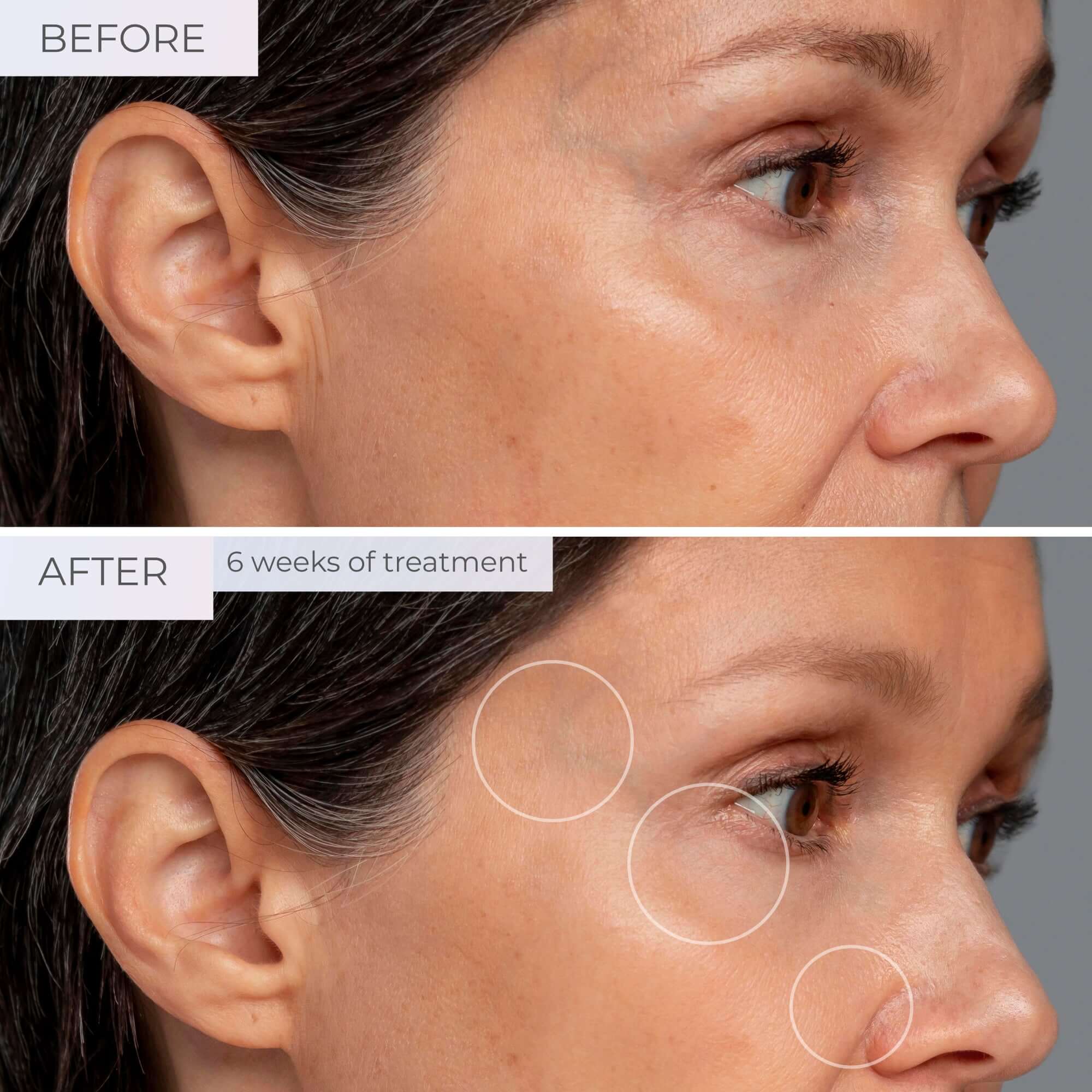
The Glow Peptide Stack isn't FDA-approved, and based on our online research of user experiences, the results can vary from person to person. With consistent use, people have reported:
- Glowing, more even skin tone
- Lean muscle support
- Better sleep
- Reduced joint discomfort
- Faster wound healing
- Better gut health
- New hair growth
Risks & Warnings
Glow Peptides (stacks like GHK‑Cu, BPC‑157, and TB‑500) are not FDA‑approved for human use, and most products are sold as “research chemicals,” which means they are not manufactured, tested, or dosed to prescription‑drug standards. Potential risks include unknown impurities or contamination (such as endotoxins or bacteria), unpredictable dosing, injection‑site reactions, allergic or immune responses, and unknown long‑term effects, since these combinations have not been studied in large, well‑controlled human trials.
And since it's not regulated and there are very few studies on this compound in humans, there's limited information about the dosage or how often people cycle through them, as it's highly dependent on the individual and their goals with peptides.
Side Effects of Glow Peptides
Because Glow Peptide stacks haven’t gone through formal clinical testing as a combination, their full side‑effect profile is not known. Reported side effects with unregulated peptide injections in general include injection‑site pain or redness, swelling, rashes, fatigue, headaches, dizziness, digestive upset, and, in rare cases, serious immune or allergic reactions, especially when products are contaminated or improperly compounded
References
- Pickart, L., & Margolina, A. (2018). Regenerative and protective actions of the GHK-Cu peptide in the light of the new gene data. International journal of molecular sciences, 19(7), 1987.
- Lee, W. J., Sim, H. B., Jang, Y. H., Lee, S. J., Kim, D. W., & Yim, S. H. (2016). Efficacy of a complex of 5-aminolevulinic acid and glycyl-histidyl-lysine peptide on hair growth. Annals of dermatology, 28(4), 438-443.
- Seiwerth, S., Sikiric, P., Grabarevic, Z., Zoricic, I., Hanzevacki, M., Ljubanovic, D., ... & Kolega, Z. (1997). BPC 157's effect on healing. Journal of Physiology-Paris, 91(3-5), 173-178.
- Malinda, K. M., Sidhu, G. S., Mani, H., Banaudha, K., Maheshwari, R. K., Goldstein, A. L., & Kleinman, H. K. (1999). Thymosin β4 Accelerates Wound Healing. Journal of Investigative Dermatology, 113(3).

Ingredient Highlights
GHK-Cu: GHK-Cu is a copper-bound tripeptide made up of three amino acids: glycine, histidine, and lysine.
GHK is a naturally occurring peptide found in the human body, but when combined with copper ion (Cu), it becomes much more biologically active with an affinity for skin tissue to support collagen production, wound healing, and a healthy inflammatory response [1].
TB-500: A synthetic natural peptide based on a peptide the body already makes called "Thymosin Beta-4" that's involved in the body's processes for wound healing, reducing inflammation, and cellular repair. TB-500 is just a small part of the larger, 43-amino acid profile, and it's designed to be much more stable than its original counterpart.
Just like BPC-157, TB-500 isn't approved by the FDA for human use. So, if you're looking around online for this compound, companies sell it under the "Research Purposes" loophole, typically in a liquid vial that's meant to be injected subcutaneously (under the skin in the fat layer) or intramuscularly (in the muscle).
BPC-157: BPC-157 stands for "body protection compound," consisting of 15-amino-acids from a protein found in gastric juice.
The BPC-157 you buy online is a variation that isn't an exact match to any naturally occurring standalone peptide, and it’s lab-made — so it doesn't come from actual gastric juices — but it's based on a fragment of a real protein.
BPC-157 is a bit tricky to come by because the FDA does not approve it for human use, but many people get around it by buying compounds labeled for "Research Purposes."

GHK-CU antes y después
El GHK-Cu puede encontrarse como ingrediente en muchos productos antienvejecimiento disponibles sin receta. Las clínicas de dermatología ofrecen es...

Efectos secundarios de GHK-Cu
Los péptidos de cobre (GHK-Cu) se promocionan como un ingrediente de "envejecimiento lento" en muchos Productos para el cuidado de la piel . E...
Alternativas a la inyección de GHK-Cu | Seguridad
Para muchos, lidiar con la caída del cabello o problemas de la piel puede parecer algo más que un simple problema superficial. Solo en Estados Unid...