


How Old Do You Look?
Our free AI Face Age Calculator estimates how old your face appears from a photo. Upload a clear, front-facing selfie and get an estimated apparent age in seconds.
Drop your image here or use the buttons below
Your photo is processed to generate your result and is not stored on our servers or shared with third parties.
Results can vary between photos. Lighting, facial expression, camera angle and image quality can all affect how your face appears to the calculator.

Step 1
Take a Clear Photo
Use even lighting, face the camera directly and keep a relaxed, neutral expression. Avoid filters, sunglasses and strong shadows across your face.
Step 2
Upload Your Photo
Upload an existing image or take a new photo with your device. The calculator analyzes the image and returns an estimated apparent age.
Step 3
Compare Like With Like
If you use the calculator again, try to recreate similar lighting, camera position and facial expression. Consistent photos make individual results easier to compare.


We created this Face Age Calculator because longevity isn’t just about how long you live—it’s about how well you age. With over 50 science-backed products, from sea kelp to NMN to skincare peptides, we’re building a one-stop ecom store for all daily supplements & ways to track your progress. As a compliant manufacturer for 10 years, we 3rd party test everything and make sure to test, store & trial all ingredients from all over the world to stay ahead of the curve. Family-operated with one goal—to help you stay sharp, strong & vibrant for years to come.
How Does Our AI Face Age Calculator Work?
A face age calculator uses an AI model to identify visual patterns in a facial photograph and generate an estimated age.
The important word is estimate.
Your result describes how old your face appears to the model based on that particular image. It does not determine your exact age and should not be interpreted as a medical assessment, biological-age test or measure of overall health.
Small changes in the image can also change the result, which is why photo quality and consistency matter.
Apparent Age vs. Your Actual Age
Your chronological age is simply the amount of time that has passed since you were born.
Your apparent age is how old you appear based on visible characteristics in a particular image.
The two do not have to match.
Someone who is 45 might receive a face age estimate of 41 in one photograph and 44 in another. That does not mean their body suddenly became younger or older. It means the photographs produced different visual inputs for the model.
That distinction is important: the Neurogan Health Face Age Calculator estimates apparent facial age, not biological age.
Your Face Age Results—Now What?
These are in rough order of evidence-to-effort. The first three cost nothing and have the strongest evidence; the second group helps once the basics are in place.

Start Here (No Cost, High Impact)
Daily SPF. The research on sun protection and skin aging is about as consistent as it gets in dermatology. If you aren't already doing this, it's the single most impactful change you can make.
Seven to nine hours of sleep. Skin repair is heavily sleep-dependent, and chronic poor sleep accumulates visibly.
Hydration. Aim for consistent water intake throughout the day rather than large amounts at once — skin hydration reflects tissue water content over time, not just what you drank today.

If the Basics Are Covered
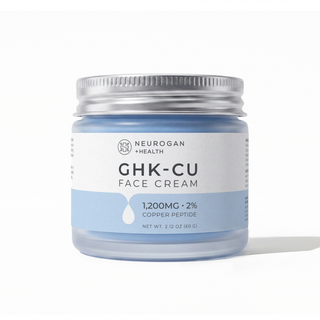
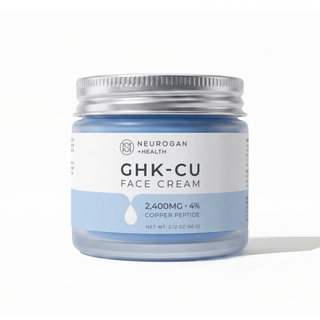
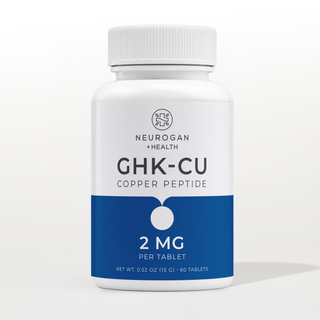
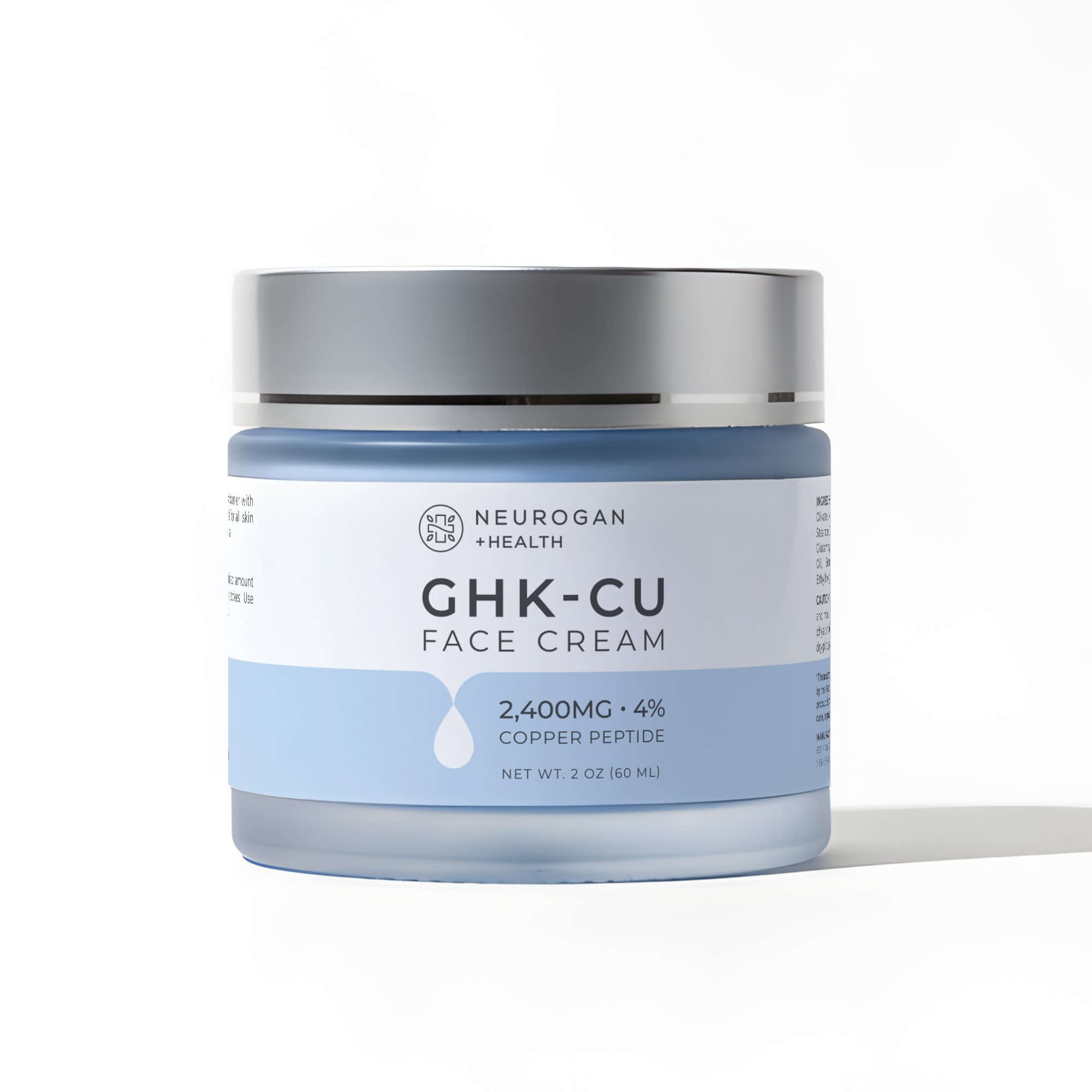
Topical actives with a real evidence base: retinoids for collagen stimulation and surface cell turnover, peptides like GHK-Cu (Copper Tripeptide-1) for collagen support, and vitamin C for antioxidant protection.
Targeted supplements: longevity-adjacent compounds for cellular health — spermidine to support autophagy, fisetin to support senescent cell function, and nicotinamide riboside as an NAD+ precursor.
Collagen support: vitamin C is required for collagen synthesis, and supplemental collagen peptides show some evidence for skin elasticity and hydration over several months.
How Accurate Is a Face Age Calculator?
AI age estimation can provide a useful approximation, but a face age result should not be treated as an exact measurement.
Accuracy depends on both the underlying model and the image you provide. Results may change when you use:
- different lighting
- a different camera angle
- a smile or other strong expression
- filters or image editing
- a blurry or low-resolution photo
- shadows that obscure part of the face
Rather than focusing too heavily on a one- or two-year difference, treat the number as an estimate of how your face appears in that image.
If the result looks unusually high or low, try another clear photo under neutral conditions.
Why Does My Face Age Change Between Photos?
The calculator only sees the image you give it. It does not know what you look like in person or how old you actually are unless you optionally provide that information for comparison.
Two photos of the same person can look noticeably different because of lighting, expression, lens position and image quality.
For a more consistent face age test:
- stand in soft, even lighting
- face the camera directly
- keep your expression neutral
- remove sunglasses
- avoid beauty filters
- keep roughly the same camera distance each time
- use a clear, recent photo
The goal is not to create the most flattering photo. It is to give the calculator a consistent one.
Can You Use a Selfie to Estimate Your Age?
Yes. A clear selfie is enough to use the Face Age Calculator.
A front-facing smartphone photo works well as long as your face is visible, the image is reasonably sharp and there are no strong shadows or filters changing your appearance.
You do not need professional photography or special equipment.
About the Neurogan Health Face Age Calculator
We built the Face Age Calculator as a simple way to see how old your face appears to an AI model.
It is meant to be useful and interesting-not diagnostic.
If you choose to use it repeatedly, take your photos under similar conditions so changes in lighting or expression do not overwhelm the comparison.
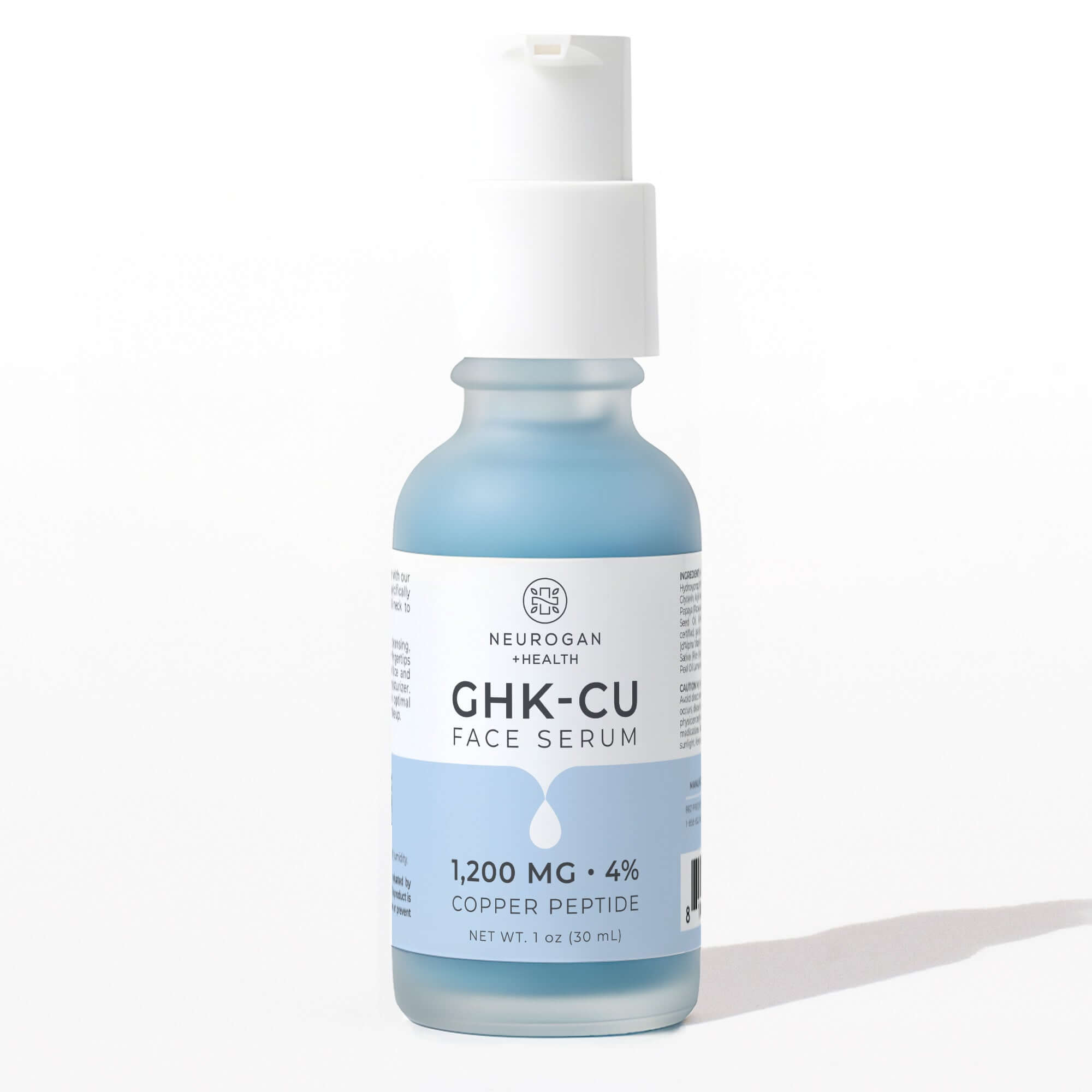
Neurogan Health also develops skincare and healthy-aging products, which is why you may see relevant product recommendations after your result. Those recommendations are separate from the age estimate itself.


Frequently Asked Questions
How can I estimate my facial age?
Upload a clear, front-facing photo to the Neurogan Health Face Age Calculator. The tool analyzes the image and returns an estimate of your apparent facial age.
Can AI tell me how old I look from a photo?
AI models can estimate how old a person appears from a facial image. The result is an approximation based on the photo, not a definitive measurement of your actual age.
How accurate is a face age calculator?
Results vary depending on the AI model and the image used. Lighting, expression, camera angle, filters and image quality can all influence an estimate. Use the result as an approximation rather than an exact age measurement.
Why does my estimated face age change between photos?
Different photos provide different visual information. A change in lighting, expression, angle or image quality can cause the same person to receive different estimates.
Is the Neurogan Health Face Age Calculator free?
Yes. You can use the Face Age Calculator for free and no signup is required.
What type of photo works best for a face age estimate?
Use a clear, recent, front-facing photo taken in even lighting. Keep a neutral expression and avoid sunglasses, filters, heavy shadows and unusual camera angles.
Is my photo stored or shared?
No. Photos uploaded to the Face Age Calculator are processed to generate a result and are not stored on our servers or shared with third parties.
This is an example of a question that a customer might ask
This is an example of a response that you might give. It's good to be as thorough as possible in responses as that has a tendency to improve trust overall.
Does my face age tell me my biological age?
No. The calculator estimates apparent facial age from a photograph. It does not measure biological age, diagnose health conditions or provide a medical assessment.